
Industry Insights.

Insights, updates, and expert guidance to help you navigate a complex logistics world.

Inbound Variability: The Silent Killer of Production Schedules
Rising freight costs, inconsistent transit times, and limited visibility make traditional LTL shipping a constant headache for manufacturers. Without a smarter consolidation strategy, small shipments create outsized risk—driving delays, missed production windows, and unnecessary spend. Learn why unmanaged LTL freight is costing more than you think and where breakdowns most often occur.

Why the Best Logistics Partners Don’t Just Move Freight—They Design Supply Chains
Explore why leading manufacturers are moving beyond transactional freight management toward supply chain design. As production networks grow more complex, transportation decisions directly impact operational performance, resilience, and cost control. This blog examines how engineered logistics strategies help create predictable flow, reduce risk, and support long-term stability.

Top 8 Supply Chain Risk Categories—and Why Logistics Matters More Than You Think
Supply chain disruptions rarely come from a single failure. More often, risk builds across sourcing, transportation, compliance, and demand—surfacing first in logistics execution. This blog outlines the eight most common supply chain risk categories and explains how logistics strategies help manufacturers reduce disruption and protect production.

Nearshoring to Mexico Is No Longer a “Trend” — It’s the New Baseline
Nearshoring to Mexico is no longer a temporary shift — it is the new baseline for North American automotive and industrial manufacturing. As trade lanes realign and production expands across key Mexican hubs, manufacturers must redesign cross-border networks, manage concentrated border risk, and build the operational capabilities required to compete in a nearshored supply chain model.
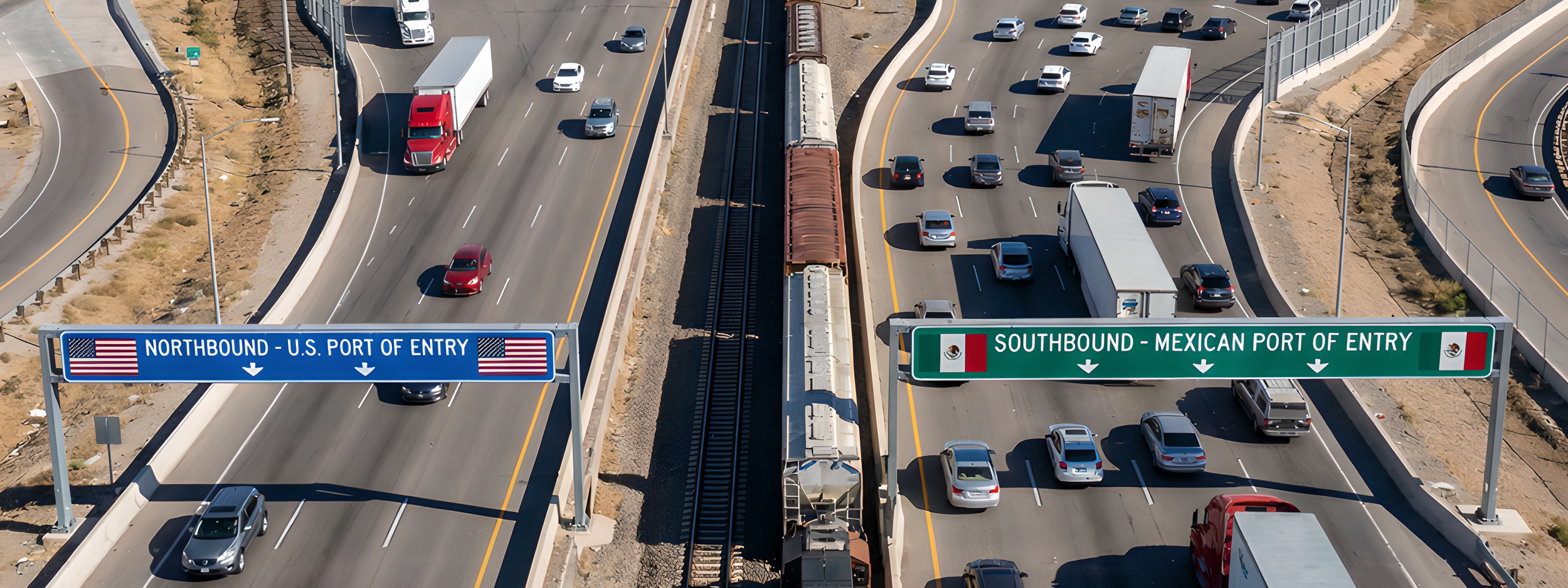
Southbound vs. Northbound Logistics: Why One Size Doesn’t Fit Both
Southbound and northbound logistics are not mirror images—they operate under different regulatory frameworks, cost drivers, and risk profiles. Southbound freight protects production, while northbound freight protects revenue. A strategic logistics partner with established carrier networks, border hubs, bilingual teams, and deep customs expertise can design direction-specific solutions that strengthen cross-border performance and reduce risk across the entire supply chain.
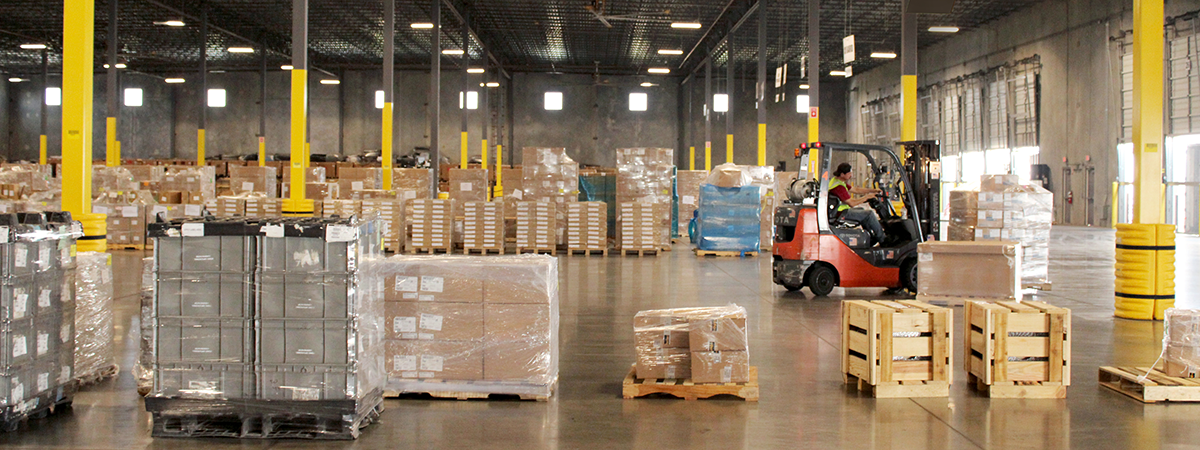
How Single-Point Dependencies Create Exposure—and What to Do
Manufacturers relying on a single carrier, border crossing, or consolidation point face hidden supply chain risk. Learn how partnering with a logistics provider that offers a diversified carrier network, multiple U.S.–Mexico border entry points, and established consolidation hubs can strengthen resilience—without requiring manufacturers to invest in additional infrastructure.

Operational Risk vs. Transportation Cost: What Manufacturers Get Wrong
Manufacturers often evaluate transportation based on cost, rates, and lanes—but this cost-first approach can hide a far more expensive threat: operational risk. From border delays and customs errors to missed cutoffs and production downtime, transportation decisions made on price alone can quietly introduce disruption across the supply chain. In this blog, we explore the interplay between transportation cost and operational risk, common misconceptions, and how manufacturers can shift their focus to build resilience.

Preparing for Economic Shifts in 2026
Economic uncertainty is reshaping global supply chains as manufacturers head into 2026. Rather than a single disruptive force, a combination of factors are converging at once. This blog explores the economic trends influencing supply chains and the growing importance of continuous forecasting and scenario planning. From nearshoring and cross-border trade dynamics to technology adoption and long-term planning, learn how manufacturers can build resilience and stay competitive in an unpredictable market.

Trucking in North America: Trends to Watch in 2026
North American trucking in 2026 will be shaped by tightening capacity, increased enforcement, driver shortages, cross-border growth, and infrastructure investment—especially along the U.S.–Mexico border. Learn what shippers should expect and how to prepare.

Planning for the New Normal: Supply Chain Takeaways from 2025
As 2025 comes to a close, manufacturers are navigating a supply chain environment that feels stable on the surface but remains challenging underneath. Transportation costs stayed high, capacity remained tight, trade lanes shifted, and ongoing tariff and regulatory changes added complexity across every mode.
Looking ahead to 2026, manufacturers that treat 2025 as a learning year will be better positioned to strengthen their networks. From securing capacity and improving freight classification accuracy to integrating customs and contingency planning, this blog outlines what changed in 2025—and how manufacturers can adapt their logistics strategies for the year ahead.

What Manufacturers Need to Know About Customs, Compliance, and Connectivity
In today’s global supply chain, manufacturers need more than transportation to stay competitive—they need seamless integration of customs, compliance, and digital connectivity. This in-depth guide explores how accurate HTS classification, bonded warehousing, FTAs, automation, and real-time visibility help manufacturers reduce border delays, control landed costs, and protect production continuity. Learn how the right logistics partner can strengthen cross-border operations, improve compliance, and build a more resilient global supply chain.
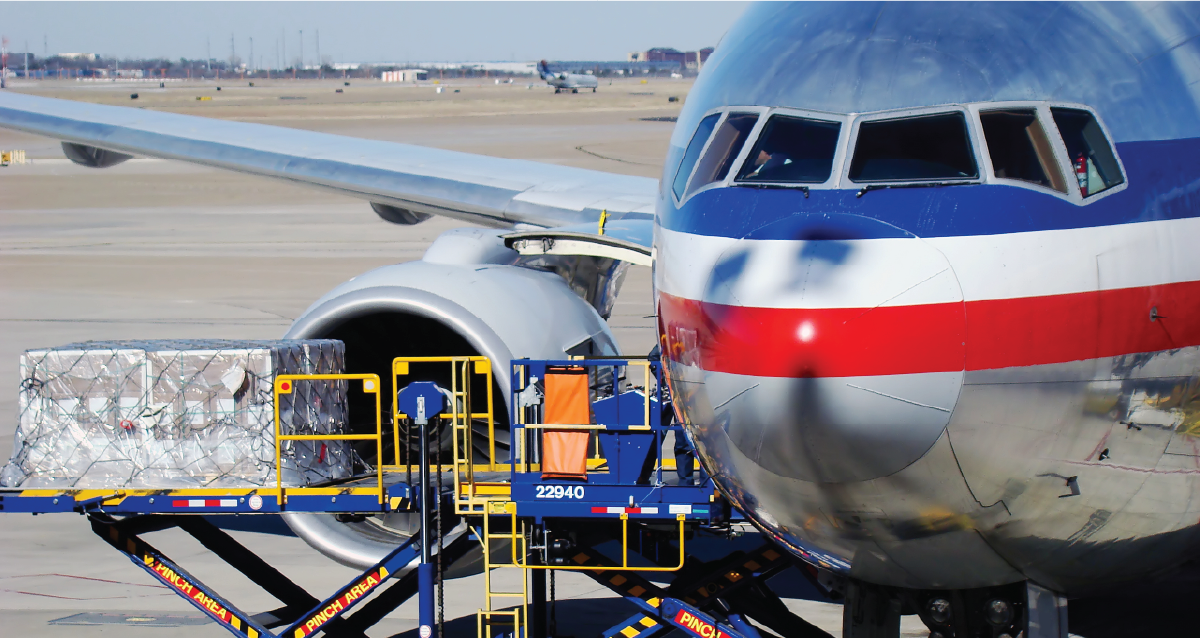
The Latest Trends in Air Freight: Charter Demand, Expedite Models, and What’s Ahead
Air freight is evolving rapidly for automotive and industrial manufacturers, driven by rising demand for charters, digital expedite models, and reliable premium services. In 2024–2025, strategic use of charter aircraft and standardized expedite programs is helping manufacturers secure lead times, stabilize production, and manage component shortages across global supply chains. This blog explores the latest trends in air freight, including hybrid routing, predictive visibility, and sustainability considerations, while offering practical guidance for leveraging charters and expedited services to reduce risk, control costs, and maintain production continuity.
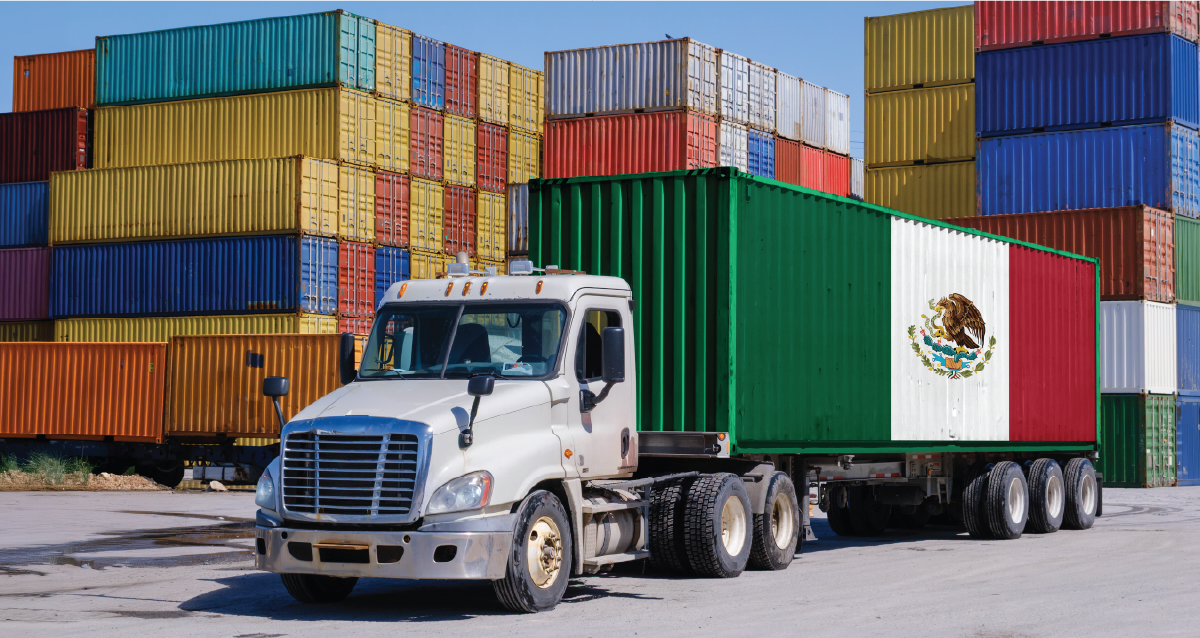
Optimizing Freight Consolidation in Mexico: Connecting Suppliers, Plants, and Gateways
Freight consolidation has become a critical strategy for manufacturers operating in Mexico’s rapidly expanding industrial network. As supplier bases grow across regions like Monterrey, Querétaro, Guadalajara, and San Luis Potosí, optimizing how inbound materials are collected, staged, consolidated, and moved to U.S. border gateways can significantly reduce transportation costs, improve delivery predictability, and streamline customs activities. This blog explores how consolidation networks link suppliers, plants, and border crossings to support Just-In-Time operations, enhance visibility, and create scalable logistics systems that keep production running efficiently in today’s complex U.S.–Mexico supply chains.

Lean and Resilient: Building Supply Chains That Keep Automotive Moving
The automotive supply chain is under constant pressure—from border delays to shifting production and global disruptions. True success now depends on supply chains that are both lean and resilient, blending efficiency with flexibility. Learn how strategies like crossdocking, consolidation, and predictive visibility are helping manufacturers keep operations on track.

Global vs. Regional Sourcing: Striking the Right Balance
Manufacturers are no longer choosing between global or regional sourcing—they’re finding ways to do both. Learn how blended strategies like dual sourcing and nearshoring are helping automotive leaders achieve cost efficiency and resilience.
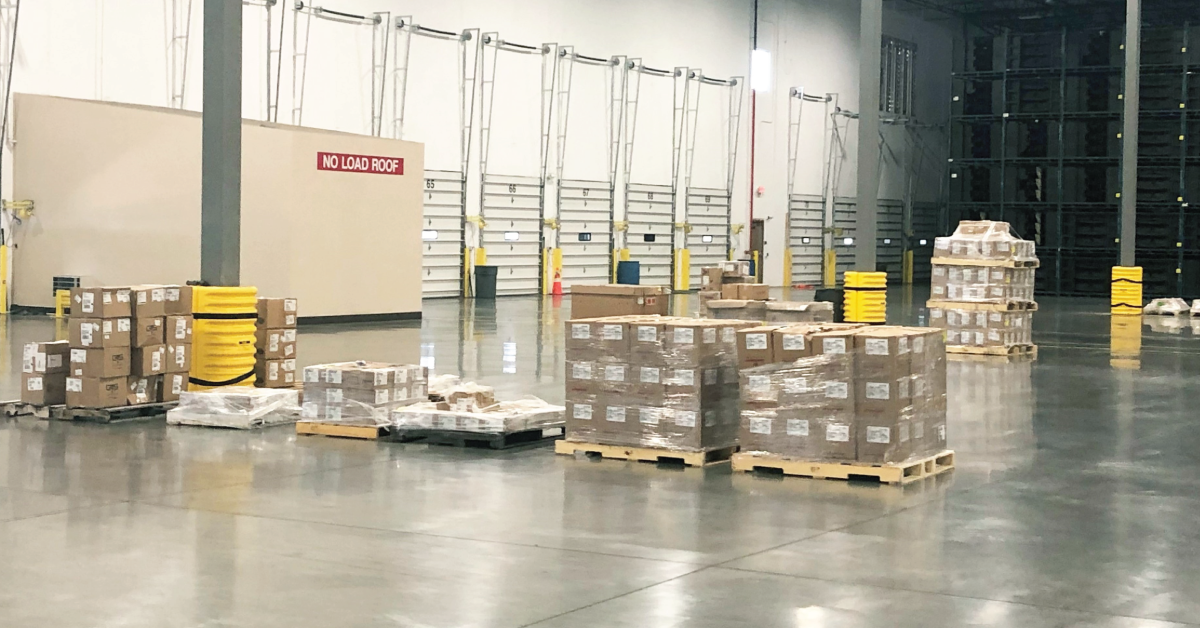
The Hidden ROI of Freight Consolidation Beyond Transportation Costs
Freight consolidation offers far more than just transportation cost savings. It delivers broad value across manufacturing supply chains by enhancing inventory flow, reliability, sustainability, and overall operational efficiency. When considering the ROI of Freight Consolidation, be sure to look at the full picture of the benefits it can have on your supply chain.

Ocean Shipping: The Trends and How Ports are Reshaping the Game
Global port investments in deeper berths, automation, rail integration, and greener infrastructure are reshaping ocean shipping by improving reliability, cutting costs, and opening new routing options. For shippers, these changes mean more resilient supply chains, greater sustainability, and the chance to treat ports as strategic nodes rather than just transfer points.
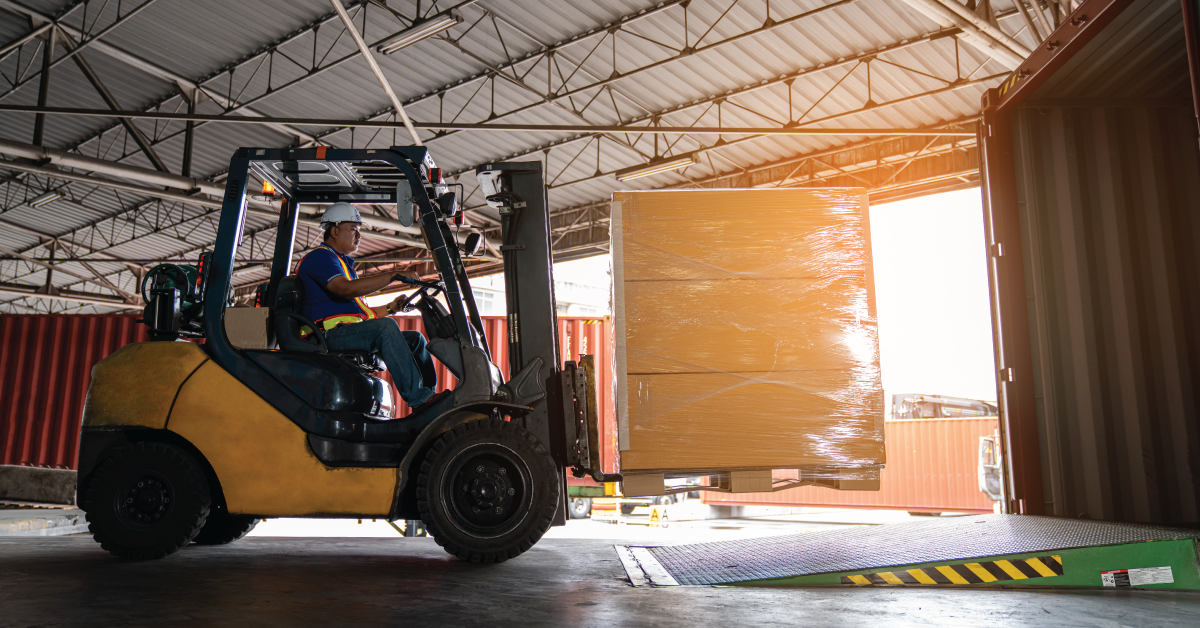
Nearshoring Demands Smarter Consolidation: LTL & FTL Trends for Northern Mexico
Nearshoring to Northern Mexico is reshaping supply chains, but rising freight volumes and smaller, more frequent shipments are driving up logistics costs. Traditional LTL and FTL models often fall short—leaving manufacturers stuck in the middle. Smarter freight consolidation offers the balance: reducing costs, improving transit times, and streamlining customs clearance for cross-border shipments.
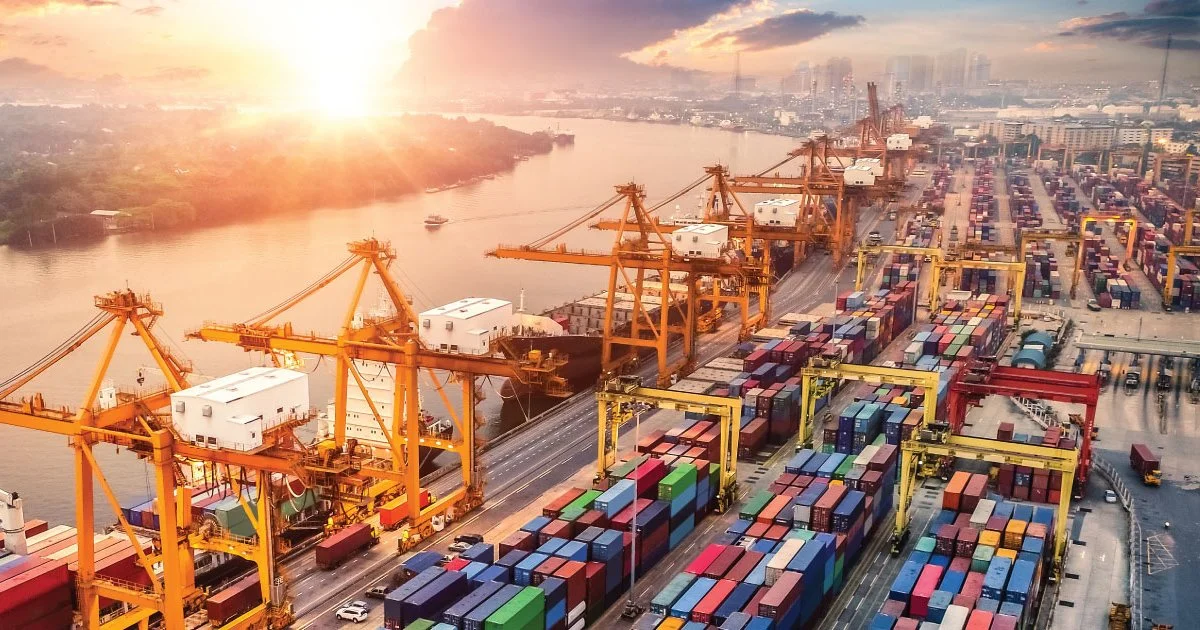
Decoding the East–West Freight Market: What Importers Need to Know
The East–West freight market is entering 2025 with shifting dynamics, from Trans-Pacific volatility to changing Trans-Atlantic flows. Importers need to balance contract and spot strategies, monitor port and canal disruptions, and lean on forwarder insights to keep supply chains resilient and cost-competitive.
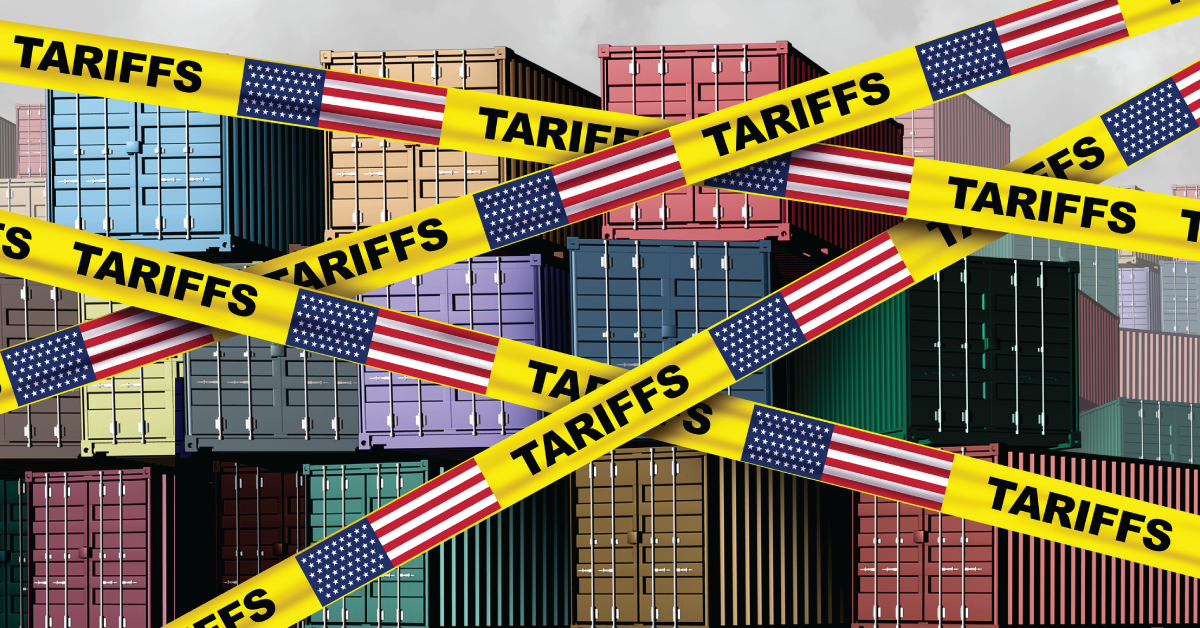
Tariff Update: What the New EO on Modifying the Reciprocal Tariff Rates Means for You
The July 31, 2025 Executive Order raises tariffs on certain imports, pushing manufacturers and shippers to rethink sourcing and supply chains into North America. In this article we offer an overview of the EO, what it means for manufacturers and logistics, and recommendations for navigating these changes.