As we celebrate National Driver Appreciation Week, we want to recognize that drivers are the backbone of logistics and transportation operations. They are responsible for the actual movement of goods and affect every aspect of the supply chain, from operations and safety to customer satisfaction and financial performance. They also help ensure that logistics companies comply with the various safety regulations and standards in the areas in which they operate.
Driver safety is critical for prioritizing the health and well-being of drivers. The following are just some of the many strategies to enhance driver safety.
Keeping Drivers Safe on the Road
Training Programs – Safety begins with having clear safety policies and procedures and providing the necessary training drivers need. Regular training should include sessions on safe driving practices, defensive driving, load securing, proper handling of hazardous materials, and emergency response to help drivers stay informed and prepared. Skilled and trained drivers ensure safety protocol adherence and that vehicles comply with regulations, helping prevent accidents, legal issues, and potential cargo damage. Drivers who practice safe and efficient driving techniques can also help reduce fuel consumption and maintenance costs.
Vehicle Maintenance – Routine checks and maintenance of vehicles confirm they are in good working condition, reducing the risk of breakdowns and accidents. Monitoring the lifecycle of trucks and assets allows companies to plan for end-of-life replacement when needed and to avoid unnecessary repair costs for assets that have exceeded their lifecycle. Proper maintenance also includes conducting audits and assessments of safety practices and ongoing, regular equipment inspections.
Technology Integration – GPS tracking, dash cams, and telematics can provide real-time driver behavior and vehicle performance data. Technology integration enables companies to promptly identify and address issues while promoting greater visibility of shipments during transportation. Equipping trucks with communication channels also allow drivers to report safety concerns when needed and receive immediate feedback from management.
Health and Wellness Programs – Encouraging a healthy lifestyle can mitigate fatigue and promote overall well-being. In many areas, there are limits to the number of hours a driver can be on the road, and in Mexico, there are even restrictions on hours of the day in which a driver can operate their vehicle. Other compliance regulations limit the number of hours drivers can work in a week and a minimum number of hours between shifts.
The Value of Experience in Commercial Trucking
Experienced drivers contribute to the overall efficiency of transportation operations. Their knowledge of routes, time management, and handling of loads can lead to timely deliveries and optimized operational productivity. Commercial drivers often need to adapt to changing conditions, such as traffic, weather, or unforeseen delays. Their ability to navigate these challenges is crucial for maintaining service quality.
Safe driving often correlates with better fuel efficiency and reduced emissions, contributing to more sustainable logistics practices. Regular maintenance and safe driving practices lead to fewer accidents and minimize downtime due to vehicle repairs. These factors help reduce transportation costs and avoid the potential for lost revenue due to interrupted services.
Skilled drivers can also help mentor new hires, sharing best practices and enhancing the overall skill level within a company. Mentorship contributes to creating a more competent workforce, ultimately positively impacting transportation operations and customer satisfaction.
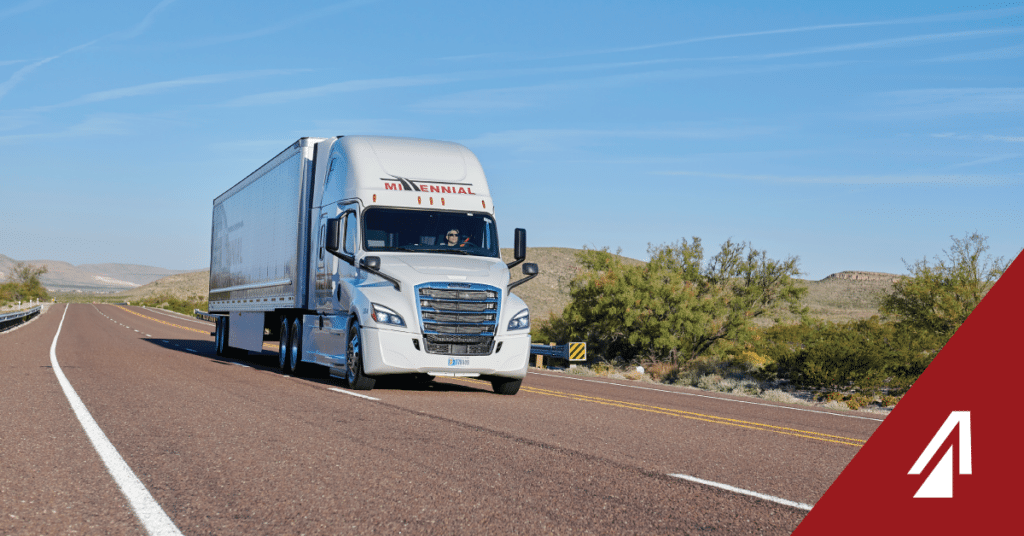
At ProTrans, we maintain an asset-based division within our network operating as Millennial Transport Services. In addition to having our own assets, we have partnered with hundreds of vetted partner carriers throughout North America and Europe to provide our customers with end-to-end global logistics solutions. Contact ProTrans today to learn more about our transportation network.