
Industry Insights

Insights, updates, and expert guidance to help you navigate a complex logistics world.
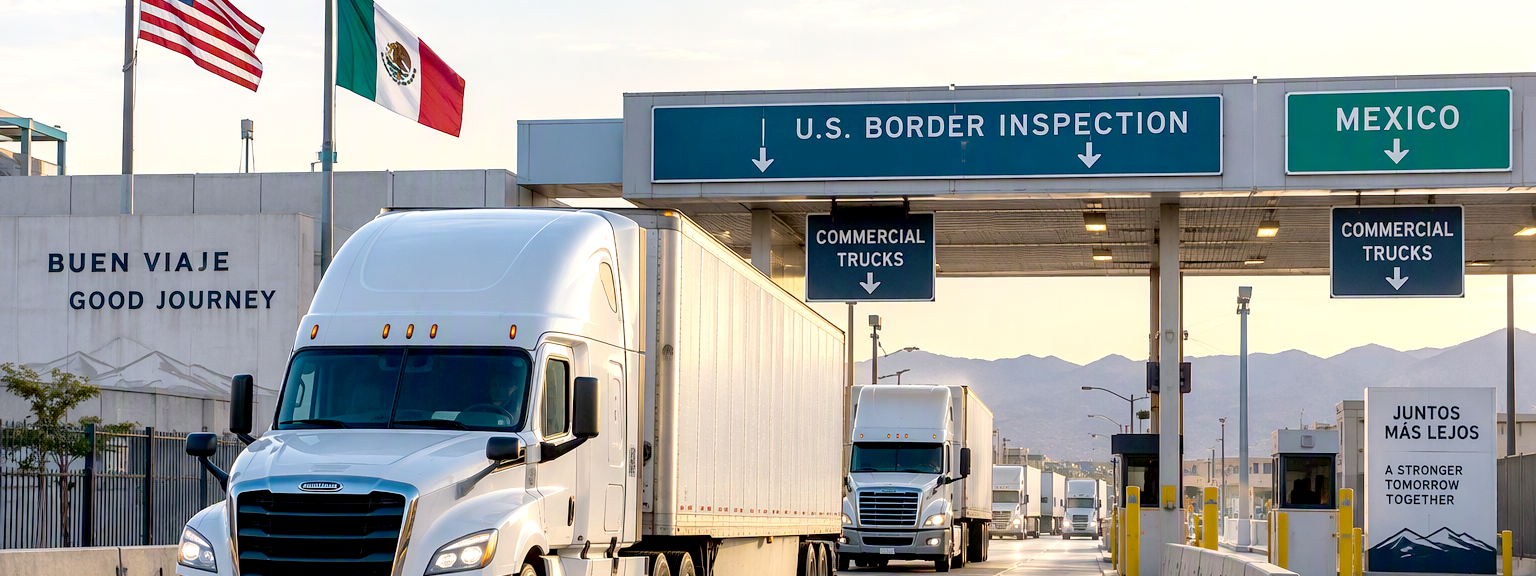
5 Actions to Improve Cross-Border Performance Before 2027
Cross-border supply chains face growing uncertainty as manufacturers prepare for 2027. From USMCA negotiations and tariff changes to fuel volatility and evolving customs requirements, manufacturers must focus on flexibility, visibility, compliance, and network resilience. Discover five actions that can help improve cross-border performance, protect production, and strengthen supply chain stability heading into the new year.
How Interest Rates and Fuel Prices Shape Ground Transportation Costs
Transportation costs are influenced by many factors, but few have a greater impact than interest rates and fuel prices. While these market forces often fluctuate independently, together they can affect freight rates, carrier capacity, inventory strategies, and overall supply chain performance.
Understanding these dynamics is critical. Higher borrowing costs can influence fleet investments and transportation capacity, while fuel price volatility directly affects operating expenses. In this blog, we explore how interest rates and fuel markets shape transportation costs, why manufacturers should pay attention, and the practical steps supply chain leaders can take to improve resilience, control costs, and maintain production continuity.

The Hidden Costs of Tariffs: Duty Is Only Part of the Equation
Many manufacturers focus on the duty when evaluating tariff impacts, but the hidden logistics costs can be far greater. Supplier changes, inventory repositioning, expedited freight, customs administration, and origin verification all add complexity and expense to the supply chain. Learn why the true cost of tariffs extends well beyond the duty itself and what supply chain leaders should be measuring instead.

Reactive vs. Preventative: Why Some Supply Chains Expedite Often
Expedited shipments can keep production moving, but when they become routine, they often signal a larger problem. Reactive supply chains spend time and money responding to disruptions, while preventative supply chains focus on reducing risk before it impacts operations. Learn how visibility, process discipline, and proactive network design can help manufacturers reduce premium freight and improve reliability.

Reactive to Resilient: Building More Predictable Cross-Border Logistics
Many manufacturers spend their days reacting to delays, capacity issues, and supply chain disruptions after they've already occurred. The most resilient organizations take a different approach. They focus on preparedness, visibility, supplier coordination, and contingency planning to reduce variability before it impacts production. Learn how a proactive approach can help create a more predictable cross-border supply chain.

Why Safe Driving Should Matter to Every Plant Manager
Transportation safety impacts far more than freight movement. It affects production continuity, inventory availability, transportation costs, and overall supply chain performance. Learn how safe driving practices, efficient network design, reduced idle miles, and improved dock operations can help manufacturers lower costs, reduce risk, and build more resilient supply chains.

IMMEX & Customs Risk: What Plant Teams Need to Know Before There’s an Audit
Customs compliance issues don’t start with audits—they build quietly over time. Small documentation gaps, miscommunication, and outdated classifications can quickly turn into shipment delays, production disruptions, and audit findings. Here’s what plant teams need to understand to identify risk early and protect operational continuity.

Top 7 Signs Your Freight Network Is Too Fragmented
Is your freight network holding production back? Fragmentation doesn’t happen overnight—it builds through inconsistent processes, disconnected suppliers, and reactive decisions. Learn the 7 warning signs of a fragmented freight network and how better coordination can reduce variability, lower costs, and protect production continuity.

Why Carrier Strategy is a Risk Management Decision
Carrier strategy isn’t just about cost—it determines how well your operation can absorb disruption. When transportation breaks down, the impact quickly reaches the plant, affecting production, labor, and customer commitments. The real question isn’t if disruptions will happen, but how prepared your network is to respond when they do.

How Manufacturing Leaders Balance Cost, Risk, and Resilience
Manufacturing leaders are rethinking how they evaluate transportation and supply chain performance. This blog explores why balancing cost, operational risk, and resilience has become critical for protecting production, reducing disruption, and building stronger cross-border supply chains in an increasingly unpredictable environment.
When Scale Stops Being an Advantage in Logistics
In logistics, bigger networks are often seen as safer networks. But when freight is plant‑critical, scale can introduce complexity, dilute accountability, and slow response when it matters most. This blog explores why “bigger” isn’t always better—and what manufacturers actually need to protect production continuity.

Established Networks: The Backbone of Reliable Cross-Border Logistics
In cross-border supply chains, performance isn’t driven by a single lane or provider—it’s driven by the network behind it. As U.S.–Mexico manufacturing becomes more complex, established logistics networks play a critical role in reducing variability, managing disruption, and protecting production continuity.
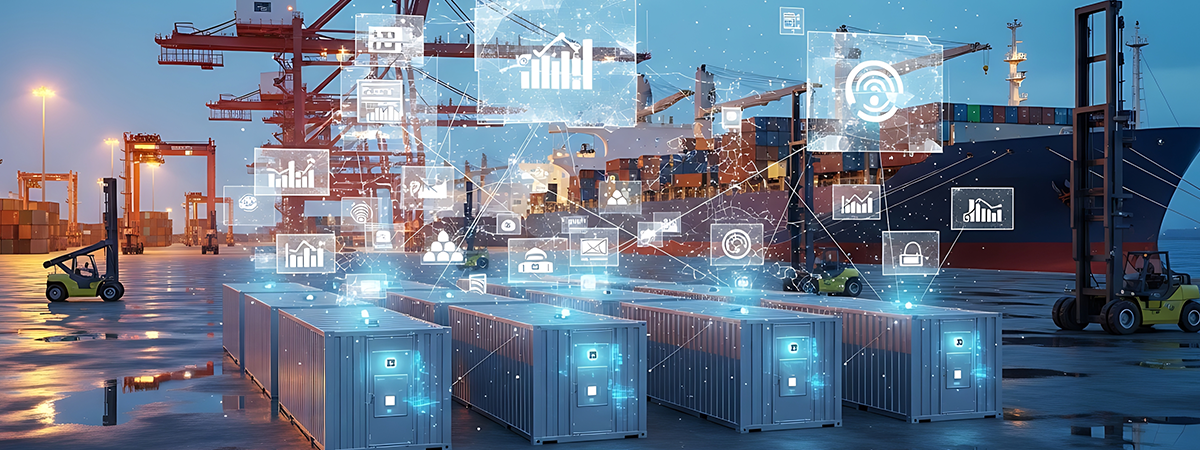
Port Automation: What’s Changing—and What It Means for Shippers
Port automation is accelerating globally—but not evenly. While ports in Asia and Europe invest heavily in speed and efficiency, U.S. progress is slowed by labor and policy constraints. For manufacturers, these gaps affect transit times, reliability, and resilience—making it critical to understand where automation is advancing and where it’s not.

Routing Instructions: A Strategic Lever in Manufacturing Logistics
Routing instructions are a critical but often overlooked lever in inbound manufacturing logistics. When designed correctly, they reduce transportation costs, improve delivery reliability, and enforce supplier compliance—especially in complex, consolidated, and U.S.–Mexico cross-border networks. Strong routing rules help manufacturers control inbound variability and protect production schedules.

Inbound Variability: The Silent Killer of Production Schedules
Rising freight costs, inconsistent transit times, and limited visibility make traditional LTL shipping a constant headache for manufacturers. Without a smarter consolidation strategy, small shipments create outsized risk—driving delays, missed production windows, and unnecessary spend. Learn why unmanaged LTL freight is costing more than you think and where breakdowns most often occur.

Why the Best Logistics Partners Don’t Just Move Freight—They Design Supply Chains
Explore why leading manufacturers are moving beyond transactional freight management toward supply chain design. As production networks grow more complex, transportation decisions directly impact operational performance, resilience, and cost control. This blog examines how engineered logistics strategies help create predictable flow, reduce risk, and support long-term stability.

Top 8 Supply Chain Risk Categories—and Why Logistics Matters More Than You Think
Supply chain disruptions rarely come from a single failure. More often, risk builds across sourcing, transportation, compliance, and demand—surfacing first in logistics execution. This blog outlines the eight most common supply chain risk categories and explains how logistics strategies help manufacturers reduce disruption and protect production.

Nearshoring to Mexico Is No Longer a “Trend” — It’s the New Baseline
Nearshoring to Mexico is no longer a temporary shift — it is the new baseline for North American automotive and industrial manufacturing. As trade lanes realign and production expands across key Mexican hubs, manufacturers must redesign cross-border networks, manage concentrated border risk, and build the operational capabilities required to compete in a nearshored supply chain model.
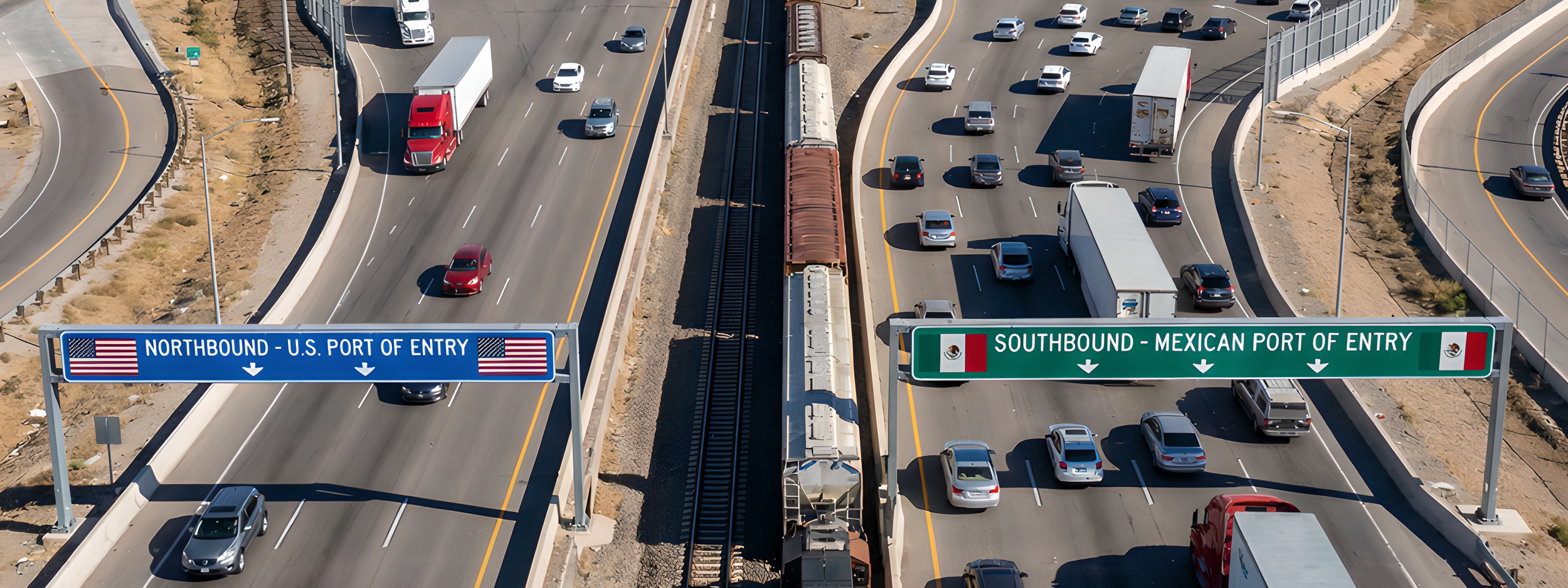
Southbound vs. Northbound Logistics: Why One Size Doesn’t Fit Both
Southbound and northbound logistics are not mirror images—they operate under different regulatory frameworks, cost drivers, and risk profiles. Southbound freight protects production, while northbound freight protects revenue. A strategic logistics partner with established carrier networks, border hubs, bilingual teams, and deep customs expertise can design direction-specific solutions that strengthen cross-border performance and reduce risk across the entire supply chain.
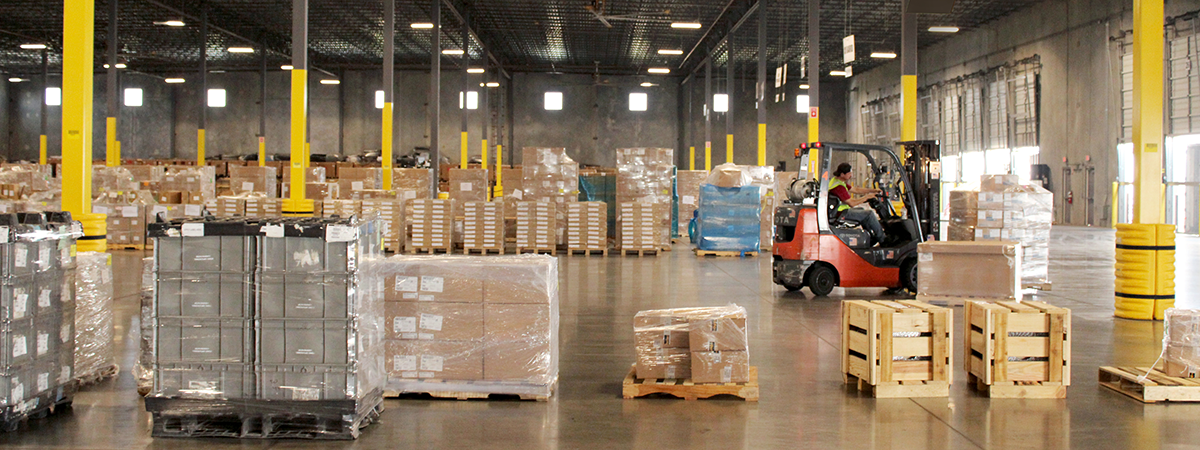
How Single-Point Dependencies Create Exposure—and What to Do
Manufacturers relying on a single carrier, border crossing, or consolidation point face hidden supply chain risk. Learn how partnering with a logistics provider that offers a diversified carrier network, multiple U.S.–Mexico border entry points, and established consolidation hubs can strengthen resilience—without requiring manufacturers to invest in additional infrastructure.