
Industry Insights.

Insights, updates, and expert guidance to help you navigate a complex logistics world.

IMMEX & Customs Risk: What Plant Teams Need to Know Before There’s an Audit
Customs compliance issues don’t start with audits—they build quietly over time. Small documentation gaps, miscommunication, and outdated classifications can quickly turn into shipment delays, production disruptions, and audit findings. Here’s what plant teams need to understand to identify risk early and protect operational continuity.

Top 7 Signs Your Freight Network Is Too Fragmented
Is your freight network holding production back? Fragmentation doesn’t happen overnight—it builds through inconsistent processes, disconnected suppliers, and reactive decisions. Learn the 7 warning signs of a fragmented freight network and how better coordination can reduce variability, lower costs, and protect production continuity.

Why Carrier Strategy is a Risk Management Decision
Carrier strategy isn’t just about cost—it determines how well your operation can absorb disruption. When transportation breaks down, the impact quickly reaches the plant, affecting production, labor, and customer commitments. The real question isn’t if disruptions will happen, but how prepared your network is to respond when they do.

How Manufacturing Leaders Balance Cost, Risk, and Resilience
Manufacturing leaders are rethinking how they evaluate transportation and supply chain performance. This blog explores why balancing cost, operational risk, and resilience has become critical for protecting production, reducing disruption, and building stronger cross-border supply chains in an increasingly unpredictable environment.

When Scale Stops Being an Advantage in Logistics
In logistics, bigger networks are often seen as safer networks. But when freight is plant‑critical, scale can introduce complexity, dilute accountability, and slow response when it matters most. This blog explores why “bigger” isn’t always better—and what manufacturers actually need to protect production continuity.

Established Networks: The Backbone of Reliable Cross-Border Logistics
In cross-border supply chains, performance isn’t driven by a single lane or provider—it’s driven by the network behind it. As U.S.–Mexico manufacturing becomes more complex, established logistics networks play a critical role in reducing variability, managing disruption, and protecting production continuity.

Port Automation: What’s Changing—and What It Means for Shippers
Port automation is accelerating globally—but not evenly. While ports in Asia and Europe invest heavily in speed and efficiency, U.S. progress is slowed by labor and policy constraints. For manufacturers, these gaps affect transit times, reliability, and resilience—making it critical to understand where automation is advancing and where it’s not.

Routing Instructions: A Strategic Lever in Manufacturing Logistics
Routing instructions are a critical but often overlooked lever in inbound manufacturing logistics. When designed correctly, they reduce transportation costs, improve delivery reliability, and enforce supplier compliance—especially in complex, consolidated, and U.S.–Mexico cross-border networks. Strong routing rules help manufacturers control inbound variability and protect production schedules.

The Latest Trends in Air Freight: Charter Demand, Expedite Models, and What’s Ahead
Air freight is evolving rapidly for automotive and industrial manufacturers, driven by rising demand for charters, digital expedite models, and reliable premium services. In 2024–2025, strategic use of charter aircraft and standardized expedite programs is helping manufacturers secure lead times, stabilize production, and manage component shortages across global supply chains. This blog explores the latest trends in air freight, including hybrid routing, predictive visibility, and sustainability considerations, while offering practical guidance for leveraging charters and expedited services to reduce risk, control costs, and maintain production continuity.
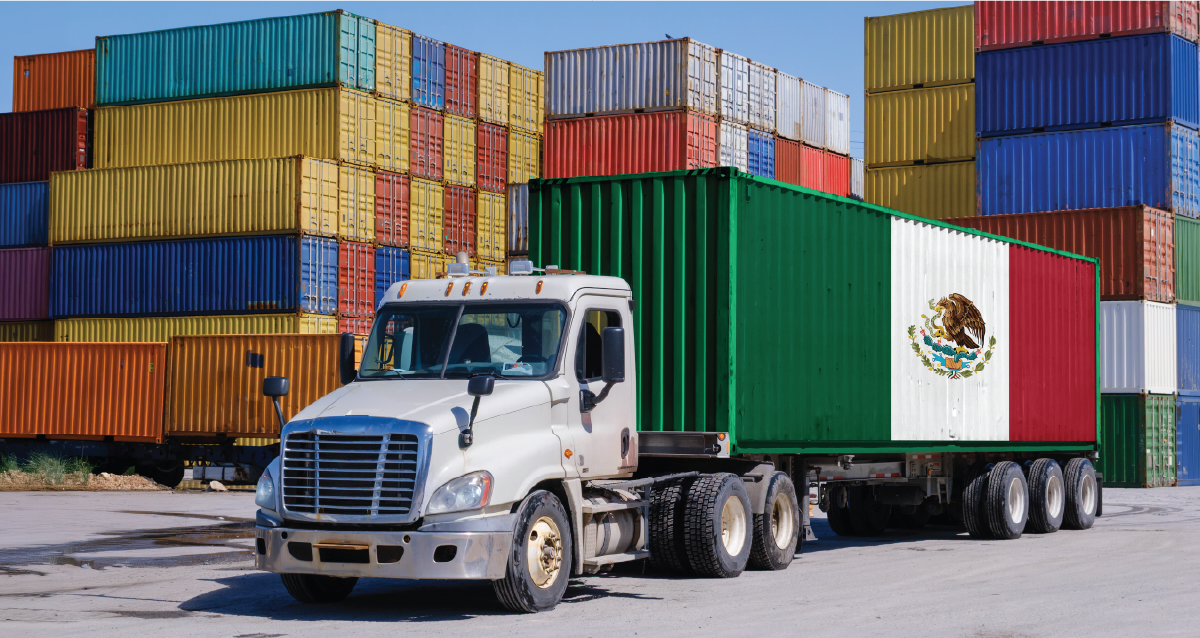
Optimizing Freight Consolidation in Mexico: Connecting Suppliers, Plants, and Gateways
Freight consolidation has become a critical strategy for manufacturers operating in Mexico’s rapidly expanding industrial network. As supplier bases grow across regions like Monterrey, Querétaro, Guadalajara, and San Luis Potosí, optimizing how inbound materials are collected, staged, consolidated, and moved to U.S. border gateways can significantly reduce transportation costs, improve delivery predictability, and streamline customs activities. This blog explores how consolidation networks link suppliers, plants, and border crossings to support Just-In-Time operations, enhance visibility, and create scalable logistics systems that keep production running efficiently in today’s complex U.S.–Mexico supply chains.

Lean and Resilient: Building Supply Chains That Keep Automotive Moving
The automotive supply chain is under constant pressure—from border delays to shifting production and global disruptions. True success now depends on supply chains that are both lean and resilient, blending efficiency with flexibility. Learn how strategies like crossdocking, consolidation, and predictive visibility are helping manufacturers keep operations on track.

Global vs. Regional Sourcing: Striking the Right Balance
Manufacturers are no longer choosing between global or regional sourcing—they’re finding ways to do both. Learn how blended strategies like dual sourcing and nearshoring are helping automotive leaders achieve cost efficiency and resilience.
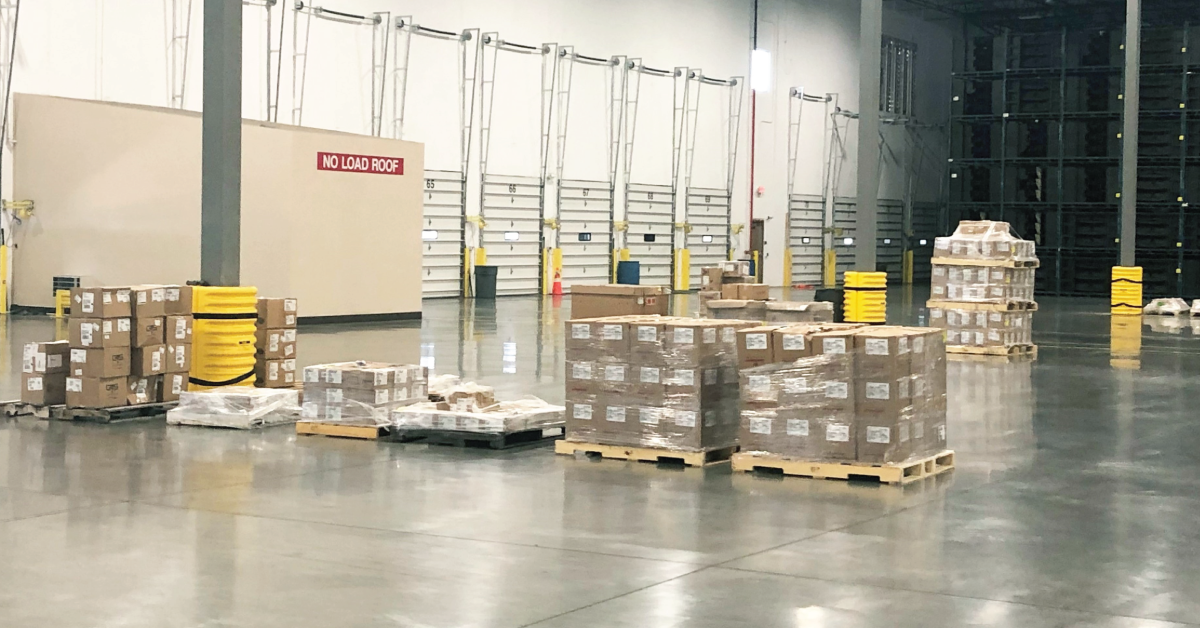
The Hidden ROI of Freight Consolidation Beyond Transportation Costs
Freight consolidation offers far more than just transportation cost savings. It delivers broad value across manufacturing supply chains by enhancing inventory flow, reliability, sustainability, and overall operational efficiency. When considering the ROI of Freight Consolidation, be sure to look at the full picture of the benefits it can have on your supply chain.

Ocean Shipping: The Trends and How Ports are Reshaping the Game
Global port investments in deeper berths, automation, rail integration, and greener infrastructure are reshaping ocean shipping by improving reliability, cutting costs, and opening new routing options. For shippers, these changes mean more resilient supply chains, greater sustainability, and the chance to treat ports as strategic nodes rather than just transfer points.
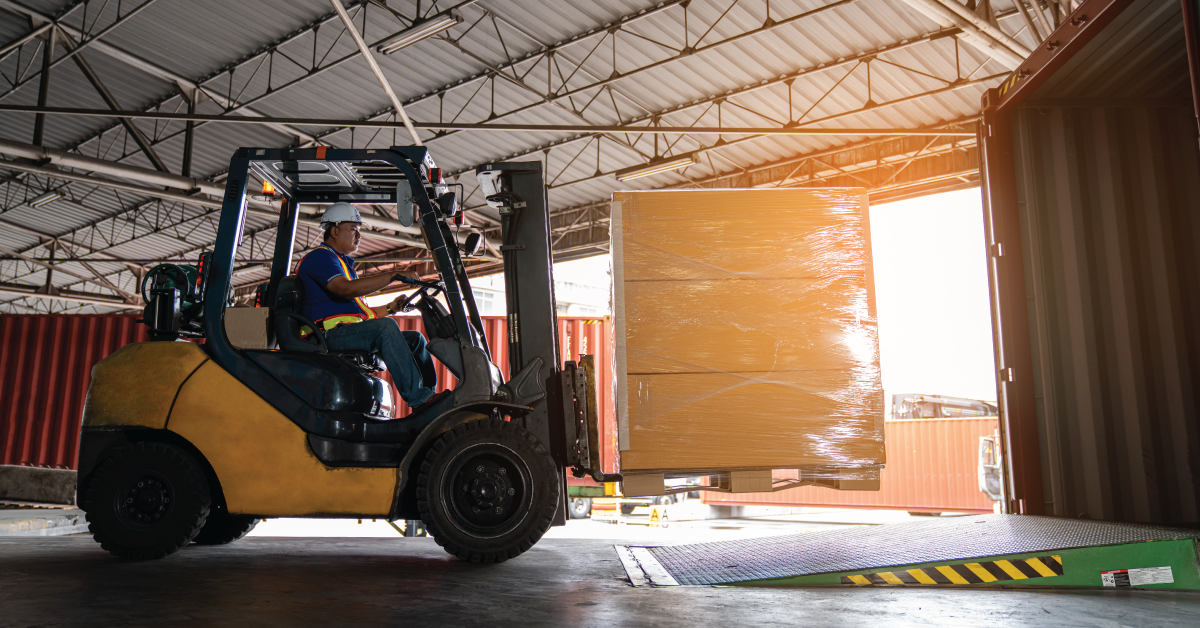
Nearshoring Demands Smarter Consolidation: LTL & FTL Trends for Northern Mexico
Nearshoring to Northern Mexico is reshaping supply chains, but rising freight volumes and smaller, more frequent shipments are driving up logistics costs. Traditional LTL and FTL models often fall short—leaving manufacturers stuck in the middle. Smarter freight consolidation offers the balance: reducing costs, improving transit times, and streamlining customs clearance for cross-border shipments.
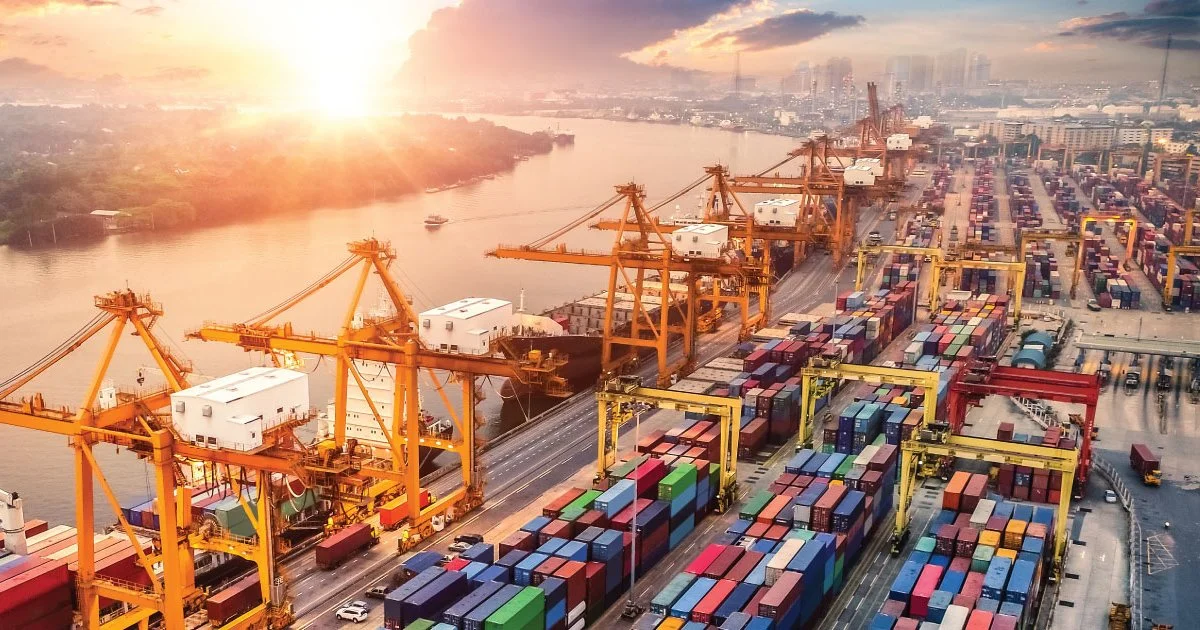
Decoding the East–West Freight Market: What Importers Need to Know
The East–West freight market is entering 2025 with shifting dynamics, from Trans-Pacific volatility to changing Trans-Atlantic flows. Importers need to balance contract and spot strategies, monitor port and canal disruptions, and lean on forwarder insights to keep supply chains resilient and cost-competitive.
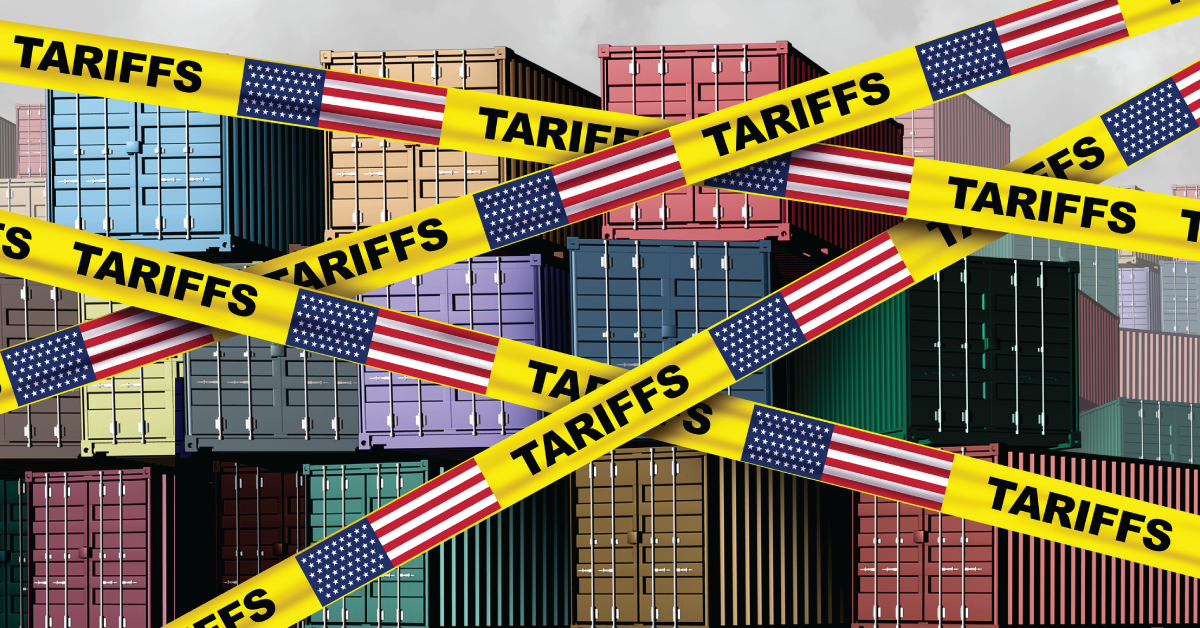
Tariff Update: What the New EO on Modifying the Reciprocal Tariff Rates Means for You
The July 31, 2025 Executive Order raises tariffs on certain imports, pushing manufacturers and shippers to rethink sourcing and supply chains into North America. In this article we offer an overview of the EO, what it means for manufacturers and logistics, and recommendations for navigating these changes.
2025 Mid-Year Freight Market Recap: What's Ahead for Truckload and Containerized Shipping
Stay ahead of shifting market dynamics with our 2025 Mid-Year Freight Market Recap—covering key trends in truckload and containerized shipping, from rate volatility and capacity shifts to the impact of tariffs and infrastructure investments. Discover what shippers and carriers need to know for the second half of the year.
Freight Forwarding: Precise Timing When Coordinating Global Inbound Flows in Mexico
With Mexico’s strategic role in manufacturing, suppliers and logistics providers need to take measures to understand the complexities involved with inbound flows, from long lead times and cross-border coordination to multimodal transportation and tight production schedules. Let’s explore the specific challenges of coordinating inbound flows from Asia and Europe to Mexico, why these challenges matter, and the best practices for overcoming them.

Top 5 Border Myths: What Many Logistics Providers Get Wrong About US-Mexico Cross-Border Shipping
Few routes are more dynamic or misunderstood than the U.S.-Mexico corridor with many logistics providers continuing to mismanage this lane by relying on assumptions, outdated practices, or one-size-fits-all strategies. Learn about the Top 5 Myths about cross-border logistics and how to avoid the pitfalls.