
Industry Insights

Insights, updates, and expert guidance to help you navigate a complex logistics world.
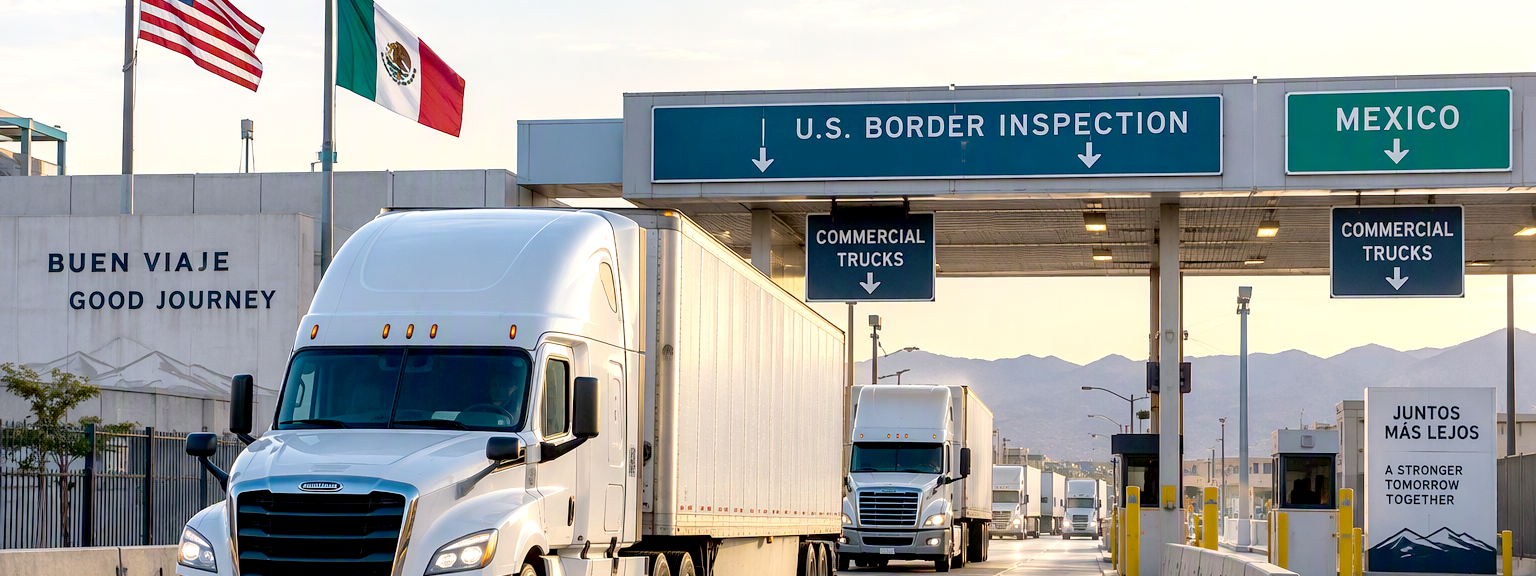
5 Actions to Improve Cross-Border Performance Before 2027
Cross-border supply chains face growing uncertainty as manufacturers prepare for 2027. From USMCA negotiations and tariff changes to fuel volatility and evolving customs requirements, manufacturers must focus on flexibility, visibility, compliance, and network resilience. Discover five actions that can help improve cross-border performance, protect production, and strengthen supply chain stability heading into the new year.

IMMEX & Customs Risk: What Plant Teams Need to Know Before There’s an Audit
Customs compliance issues don’t start with audits—they build quietly over time. Small documentation gaps, miscommunication, and outdated classifications can quickly turn into shipment delays, production disruptions, and audit findings. Here’s what plant teams need to understand to identify risk early and protect operational continuity.
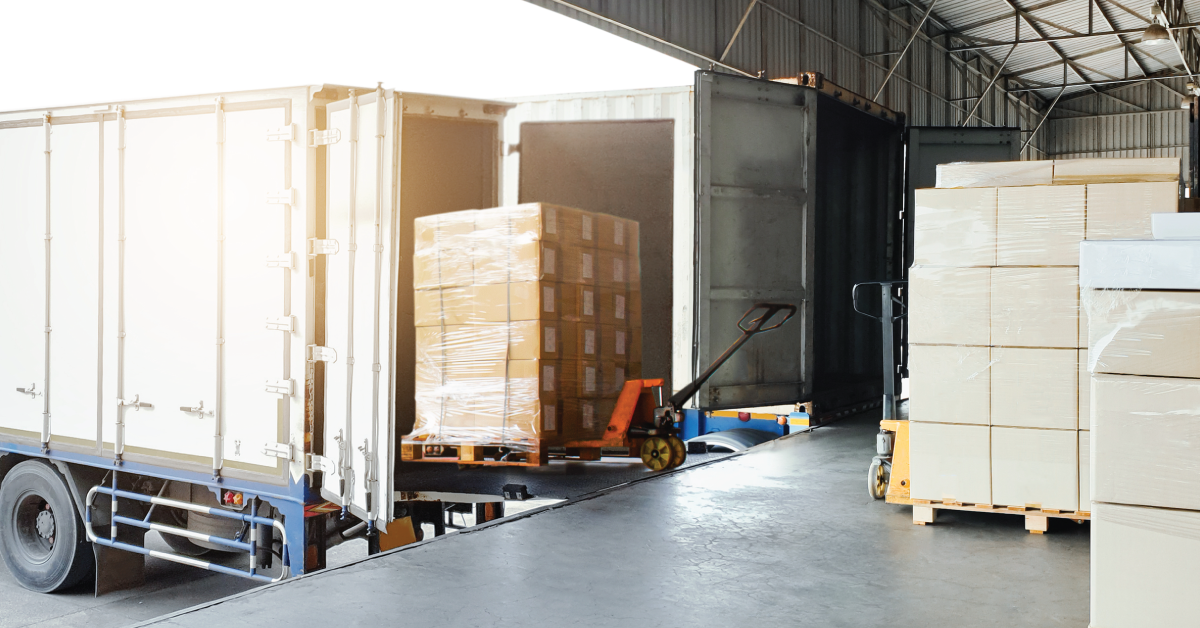
Freight Consolidation: A Smart Strategy for Manufacturers in Global Supply Chains
One of the most effective strategies for managing international and domestic logistics in the industrial sector is freight consolidation. This strategy involves combining multiple smaller shipments into a single, more cost-effective load. For inbound-to-manufacturing (I2M), particularly supply chains that cross international borders, freight consolidation can offer greater efficiency, reliability, and visibility. Learn more about the impact and benefits of Freight Consolidation.
The Pros and Cons of Using a U.S.-Based Freight Forwarder
Depending on your business needs, partnering with a U.S.-based freight forwarder may be the best option when focused on the North American market. U.S.-based freight forwarders offer a range of benefits, from customs and regulatory expertise to efficient North American coordination. Learn more about the role of a freight forwarder and the pros and cons of using a U.S.-Based Freight Forwarder.
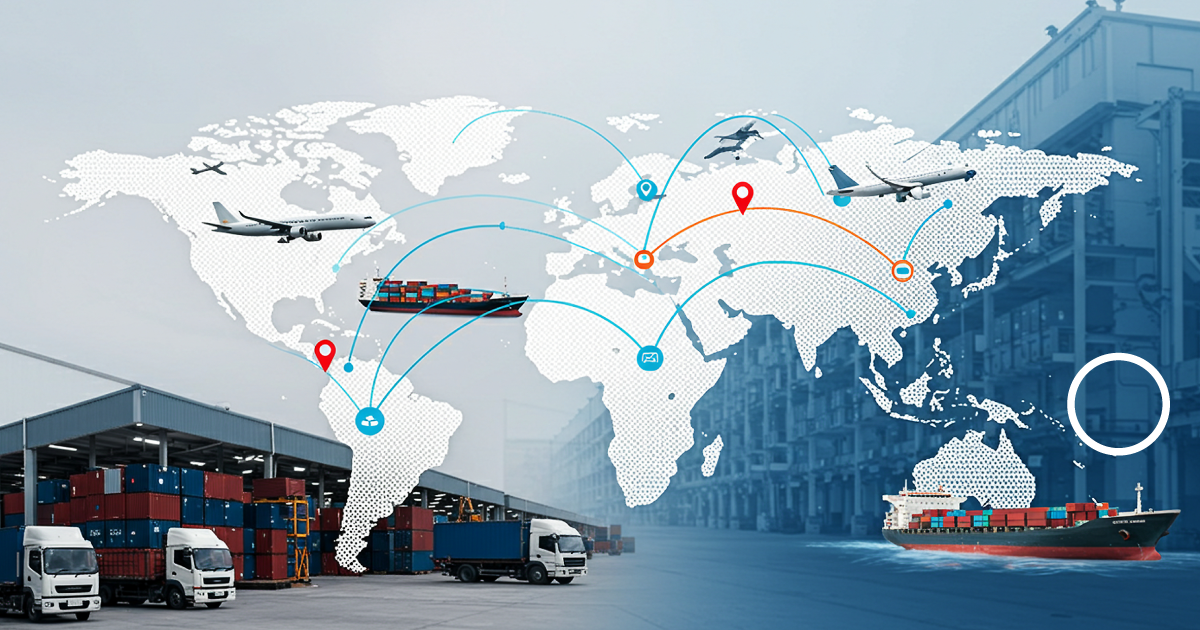
Global Forwarding: Key Drivers Impacting Trade Lanes and Capacity
Many factors are driving shifts in trade lanes and capacity, impacting freight forwarding and the global supply chain. This is further influenced by companies seeking to develop robust resilience strategies, including diversifying their suppliers to mitigate risks and optimize operations. There is also a noticeable shift toward enhanced flexibility that allows companies to better respond to market demand changes and enhance their logistics processes. Learn more about the key drivers behind these market shifts.

Shipping: Industry Trends Shaping Contract Strategies
Annual ocean freight carrier contracts are often renegotiated in April ahead of the peak summer season. Going into negotiations, many shippers are looking for flexibility in their contracts to help navigate the ongoing volatility of the market and fluctuations in costs. Learn more about emerging trends in shipping contracts as well as ongoing industry trends that shape contract strategies in today's market.
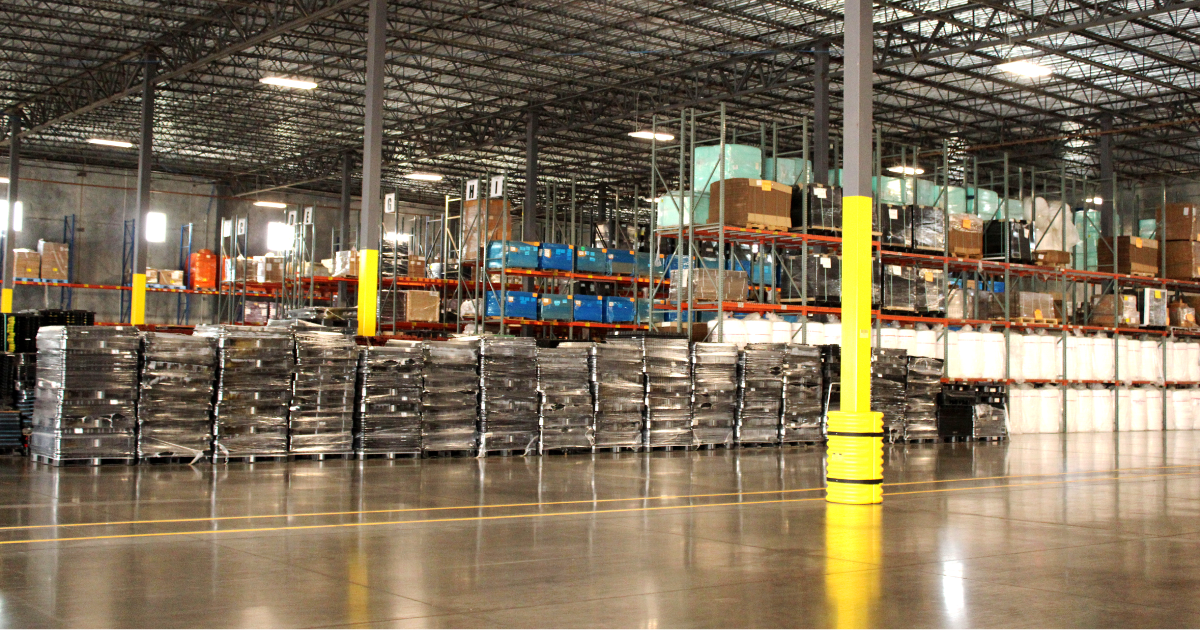
Customs Compliance: The Defined Use of Temporary Imports
If you need to import products for a specific purpose and do not plan to keep them in a country for an extended period, it is likely that you could avoid paying duties and taxes on these goods as Temporary Imports. Learn more about the key characteristics of temporary imports, how these imports are not subject to tariffs, and in which ways the customs procedures are different for temporary imports. Understanding the rules and regulations for temporary imports ensures compliance and may help you avoid unnecessary costs.
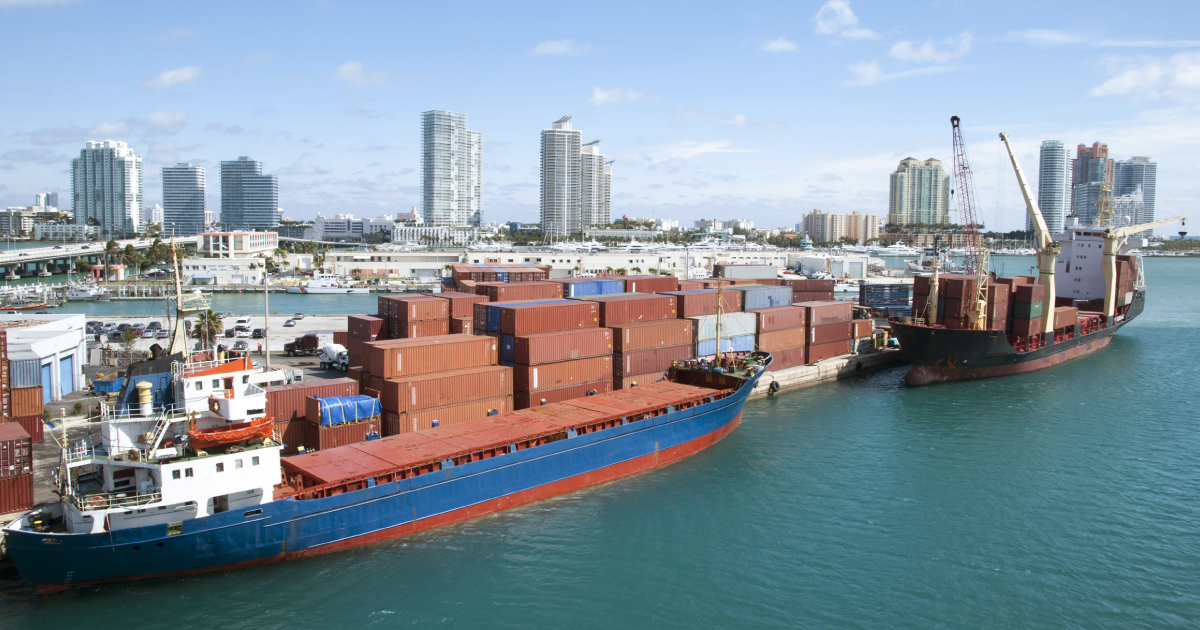
A Basic Overview on Global Freight Forwarding
Global Freight Forwarding is the process of managing and coordinating the transportation of goods across international borders. Although using a Freight Forwarder for this process is not required, many companies rely on the benefits of using one to navigate the complexities of global trading. Learn more about the role and responsibilities of a freight forwarder, from negotiating rates and securing transportation to navigating customs and tracking shipments.

Trade Policy: Key Strategies for Being Proactive in the Face of Potential Tariffs
As we face threats of U.S. tariffs, importers should review their import data with their U.S. Customs brokers to get a clear picture of the financial impact that increases could have on their business. Learn about the Top Five Strategies to be prepared for tariffs. Review your credit limits and payment terms, and assess your company's risk for bond insufficiency.