
Industry Insights

Insights, updates, and expert guidance to help you navigate a complex logistics world.

Global vs. Regional Sourcing: Striking the Right Balance
Manufacturers are no longer choosing between global or regional sourcing—they’re finding ways to do both. Learn how blended strategies like dual sourcing and nearshoring are helping automotive leaders achieve cost efficiency and resilience.

Ocean Shipping: The Trends and How Ports are Reshaping the Game
Global port investments in deeper berths, automation, rail integration, and greener infrastructure are reshaping ocean shipping by improving reliability, cutting costs, and opening new routing options. For shippers, these changes mean more resilient supply chains, greater sustainability, and the chance to treat ports as strategic nodes rather than just transfer points.
Decoding the East–West Freight Market: What Importers Need to Know
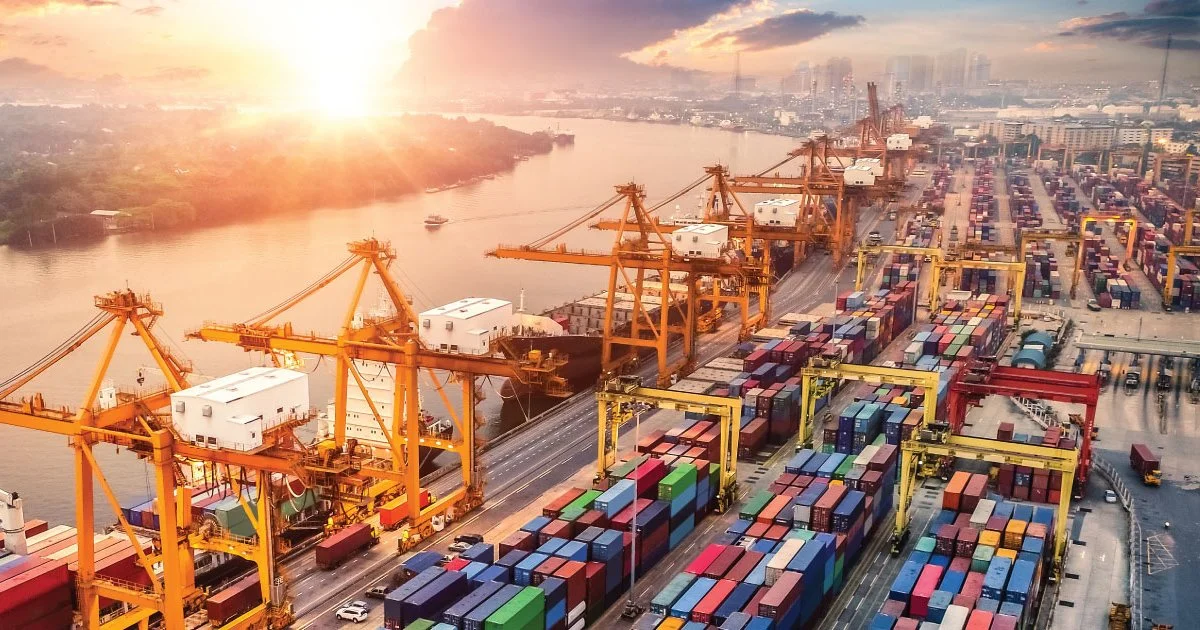
The East–West freight market is entering 2025 with shifting dynamics, from Trans-Pacific volatility to changing Trans-Atlantic flows. Importers need to balance contract and spot strategies, monitor port and canal disruptions, and lean on forwarder insights to keep supply chains resilient and cost-competitive.
2025 Mid-Year Freight Market Recap: What's Ahead for Truckload and Containerized Shipping
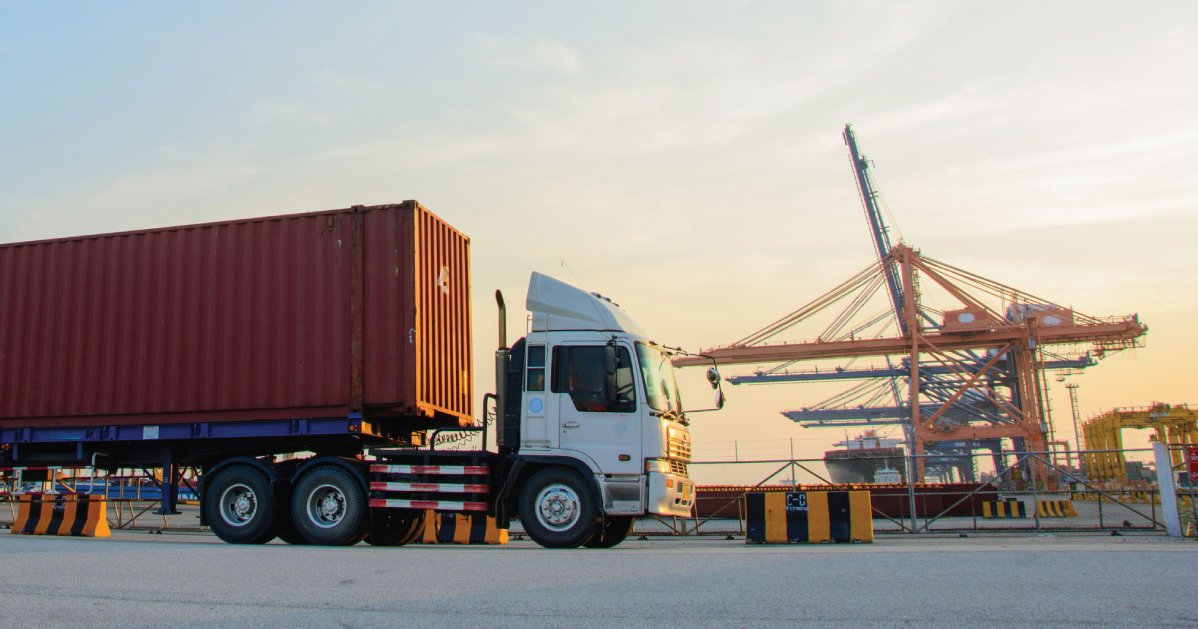
Stay ahead of shifting market dynamics with our 2025 Mid-Year Freight Market Recap—covering key trends in truckload and containerized shipping, from rate volatility and capacity shifts to the impact of tariffs and infrastructure investments. Discover what shippers and carriers need to know for the second half of the year.

Freight Forwarding: Precise Timing When Coordinating Global Inbound Flows in Mexico
With Mexico’s strategic role in manufacturing, suppliers and logistics providers need to take measures to understand the complexities involved with inbound flows, from long lead times and cross-border coordination to multimodal transportation and tight production schedules. Let’s explore the specific challenges of coordinating inbound flows from Asia and Europe to Mexico, why these challenges matter, and the best practices for overcoming them.

The Benefit of Integrating International and Domestic Logistics
Supply chain operations are a strategic advantage in today's competitive market. Manufacturers must efficiently transport materials and products while meeting production schedules and customer expectations. Choosing the right logistics partner, especially one that offers both domestic and international services, is crucial for enhancing efficiency, reducing costs, and achieving business goals.

Diving Into the Differences between FCL, LCL, and BCN
In freight forwarding, shipping methods are defined by how space is used in a shipping container and whether a shipper is filling a container or sharing the space with other shipments. The main categories fall under FCL (full container load), LCL (less container load), and BCN (buyers' consolidation network). LCL and BCN are closely related where cargo is shared with BCN being shared among suppliers for the same customer. Let's explore the differences and choosing one method over another.

Planning Your Air Cargo Needs and Fluctuating Rates
As global trade between Europe and the USA thrives, air cargo is crucial in bridging the transatlantic trade route. We explore strategies and best practices for air cargo from Europe to the USA that help businesses create efficient, cost-effective, and timely supply chains, which requires careful planning and intention.