
Industry Insights

Insights, updates, and expert guidance to help you navigate a complex logistics world.
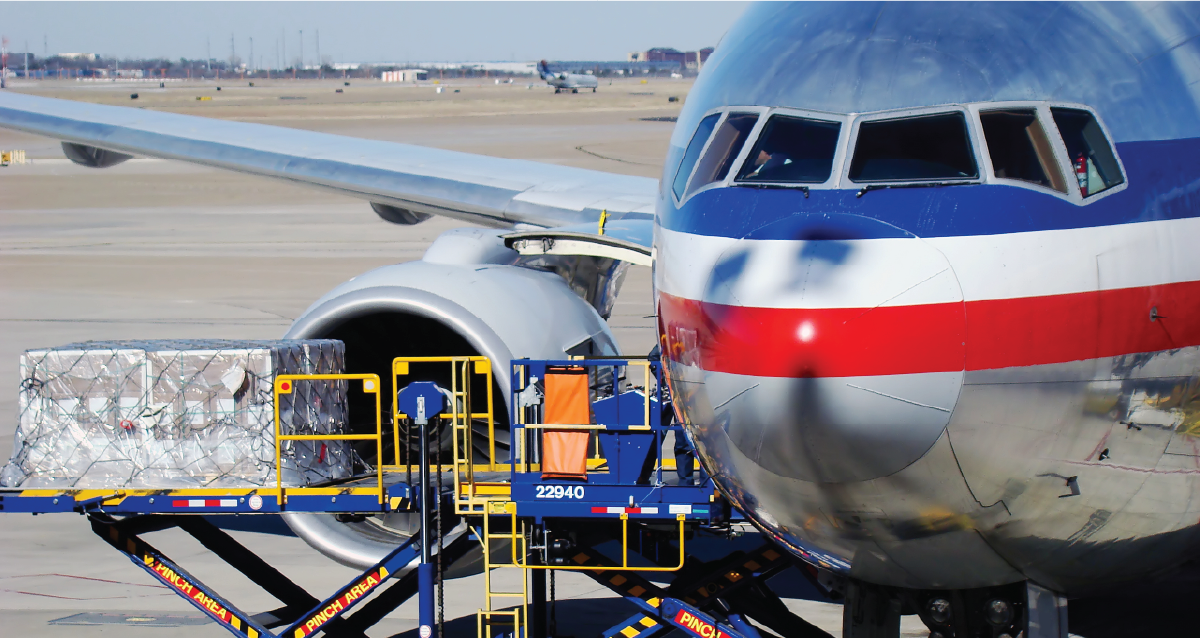
The Latest Trends in Air Freight: Charter Demand, Expedite Models, and What’s Ahead
Air freight is evolving rapidly for automotive and industrial manufacturers, driven by rising demand for charters, digital expedite models, and reliable premium services. In 2024–2025, strategic use of charter aircraft and standardized expedite programs is helping manufacturers secure lead times, stabilize production, and manage component shortages across global supply chains. This blog explores the latest trends in air freight, including hybrid routing, predictive visibility, and sustainability considerations, while offering practical guidance for leveraging charters and expedited services to reduce risk, control costs, and maintain production continuity.
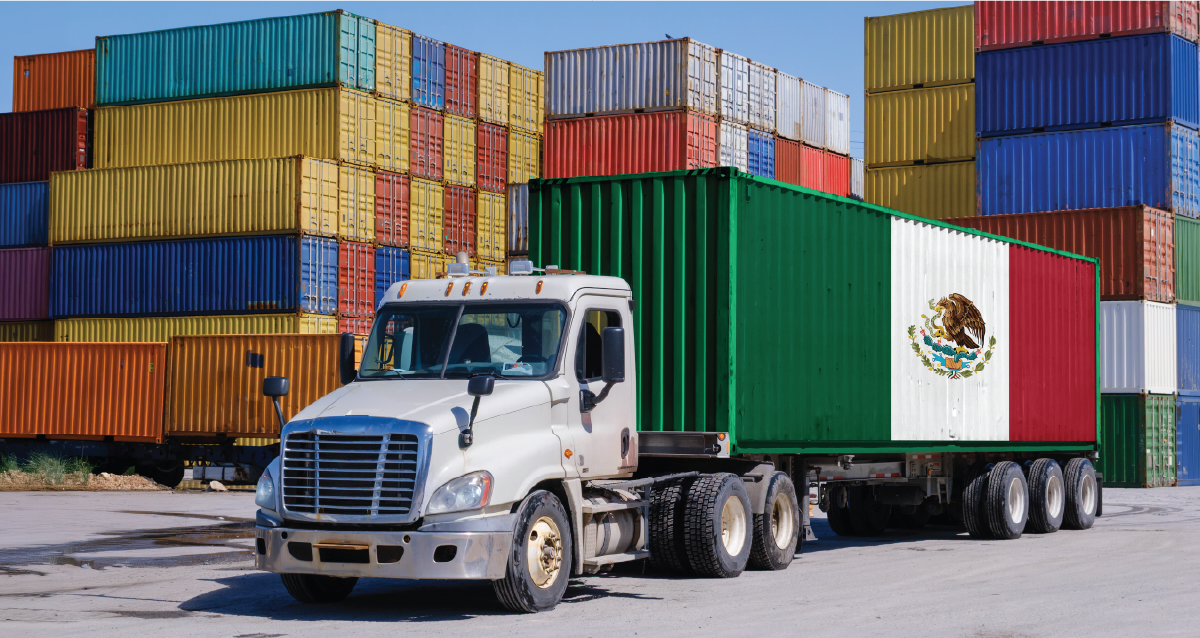
Optimizing Freight Consolidation in Mexico: Connecting Suppliers, Plants, and Gateways
Freight consolidation has become a critical strategy for manufacturers operating in Mexico’s rapidly expanding industrial network. As supplier bases grow across regions like Monterrey, Querétaro, Guadalajara, and San Luis Potosí, optimizing how inbound materials are collected, staged, consolidated, and moved to U.S. border gateways can significantly reduce transportation costs, improve delivery predictability, and streamline customs activities. This blog explores how consolidation networks link suppliers, plants, and border crossings to support Just-In-Time operations, enhance visibility, and create scalable logistics systems that keep production running efficiently in today’s complex U.S.–Mexico supply chains.

Lean and Resilient: Building Supply Chains That Keep Automotive Moving
The automotive supply chain is under constant pressure—from border delays to shifting production and global disruptions. True success now depends on supply chains that are both lean and resilient, blending efficiency with flexibility. Learn how strategies like crossdocking, consolidation, and predictive visibility are helping manufacturers keep operations on track.
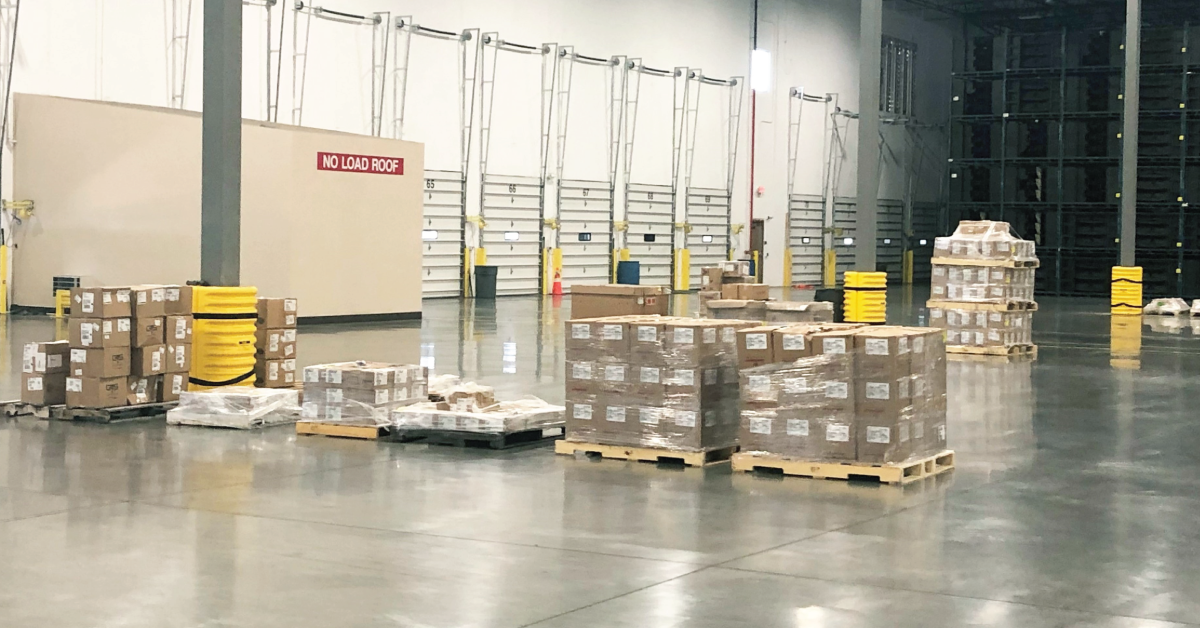
The Hidden ROI of Freight Consolidation Beyond Transportation Costs
Freight consolidation offers far more than just transportation cost savings. It delivers broad value across manufacturing supply chains by enhancing inventory flow, reliability, sustainability, and overall operational efficiency. When considering the ROI of Freight Consolidation, be sure to look at the full picture of the benefits it can have on your supply chain.
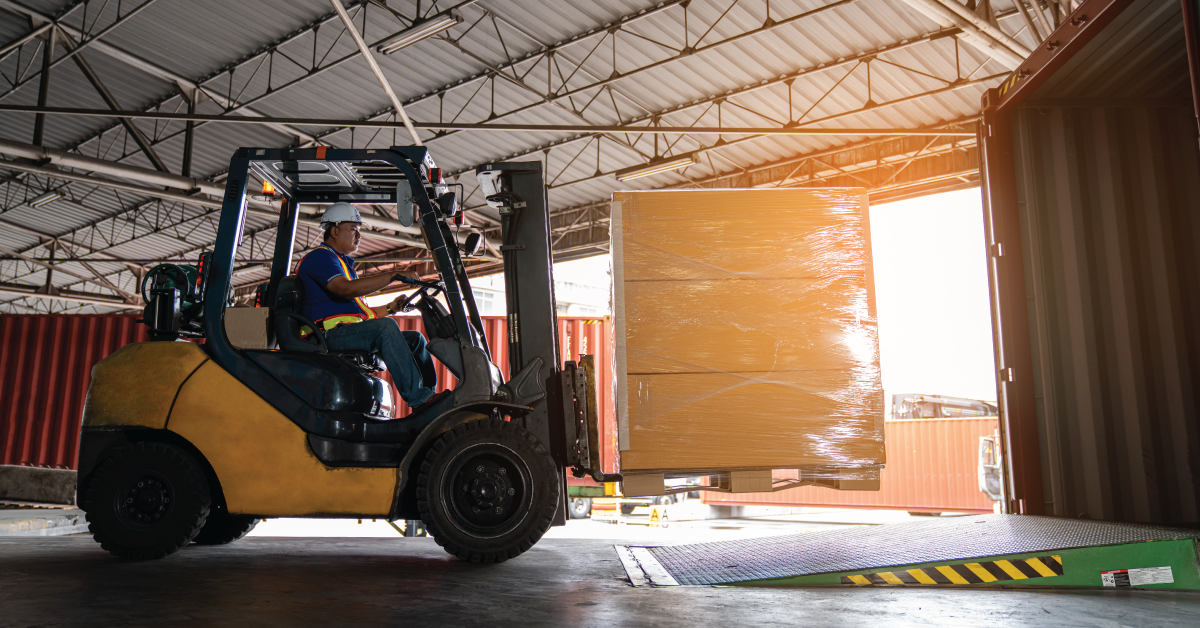
Nearshoring Demands Smarter Consolidation: LTL & FTL Trends for Northern Mexico
Nearshoring to Northern Mexico is reshaping supply chains, but rising freight volumes and smaller, more frequent shipments are driving up logistics costs. Traditional LTL and FTL models often fall short—leaving manufacturers stuck in the middle. Smarter freight consolidation offers the balance: reducing costs, improving transit times, and streamlining customs clearance for cross-border shipments.

Top 5 Border Myths: What Many Logistics Providers Get Wrong About US-Mexico Cross-Border Shipping
Few routes are more dynamic or misunderstood than the U.S.-Mexico corridor with many logistics providers continuing to mismanage this lane by relying on assumptions, outdated practices, or one-size-fits-all strategies. Learn about the Top 5 Myths about cross-border logistics and how to avoid the pitfalls.

Optimizing Cross-Border Routes Between the U.S., Mexico, and Canada for Manufacturing
Route optimization is a crucial component of logistics that streamlines processes and minimizes transportation costs, while ensuring smooth production processes and customer satisfaction. In this blog, we explore the value of optimizing cross-border routes between the U.S., Mexico and Canada.
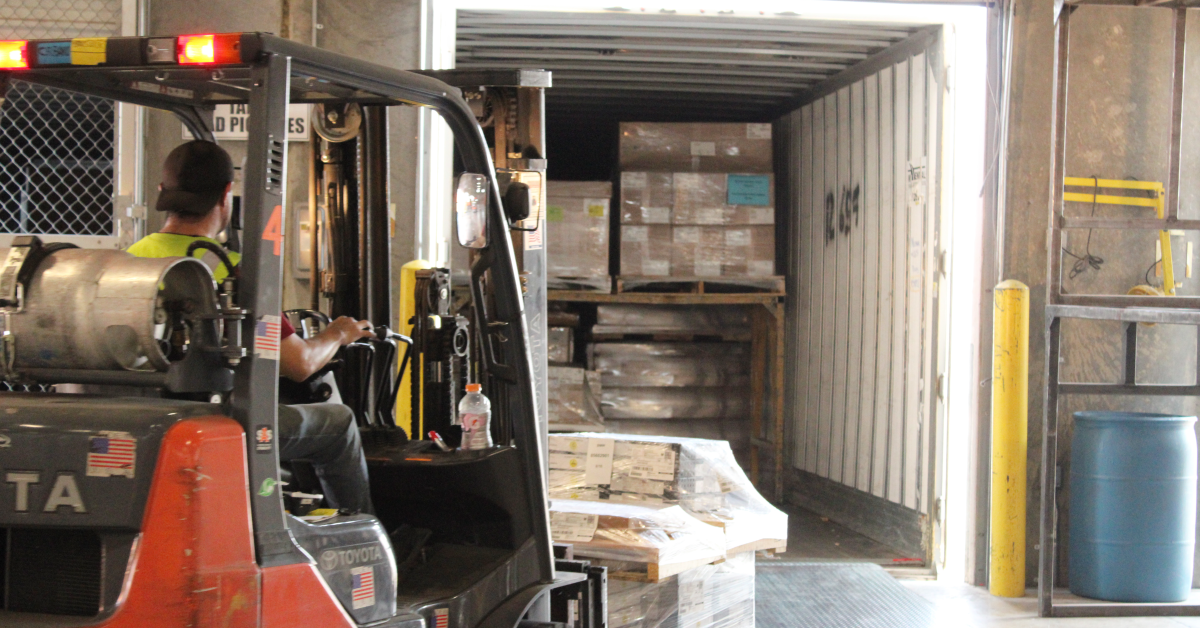
The Difference Between Freight Consolidation and Less-Than-Truckload (LTL): Which is Right for You?
When shipments don't regularly fill an entire truckload, freight consolidation and less-than-truckload (LTL) shipping are two common solutions. Each method has its own purpose and ideal uses. Let's explore the pros and cons of each, while helping you choose the right strategy for your business.
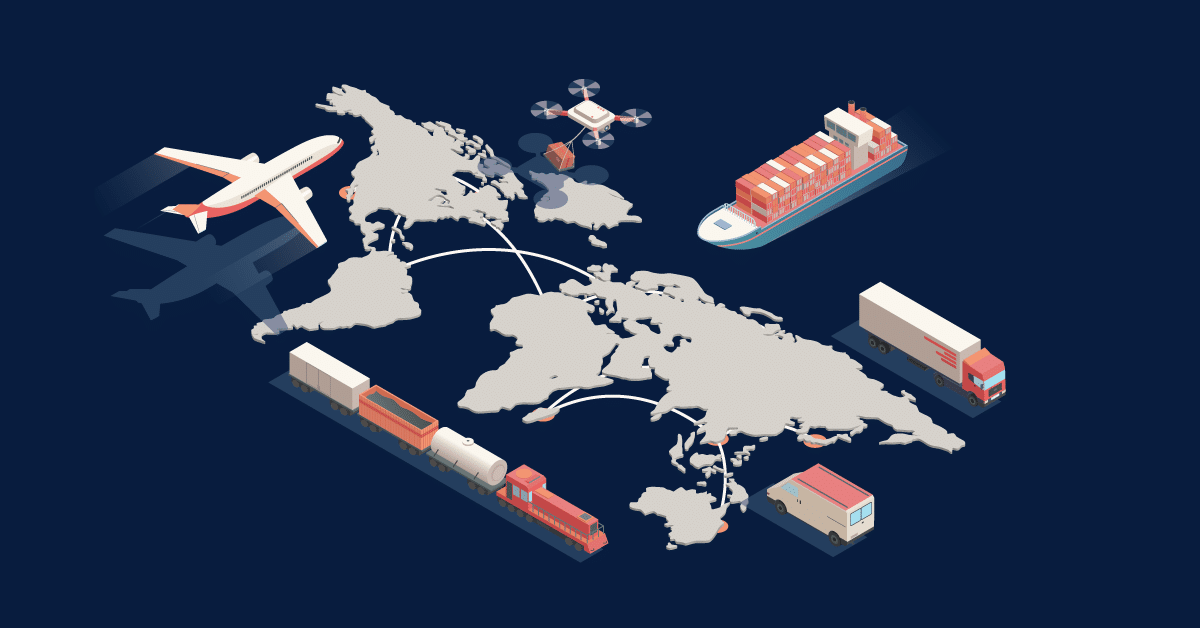
Freight Forwarding vs. 3PL Services: What's Right for Your Global Supply Chain?
In facilitating the movement of goods in the global supply chain, freight forwarders focus on transportation, whereas third-party logistics (3PL) providers offer comprehensive logistics solutions. Learn more about the differences between freight forwarding and 3PL to help you choose the right service for your business needs.

Supply Chains are Shifting Gears for a Smarter Strategy!
Today's changing market dynamics, geopolitical unrest, technological advancements, and evolving customer expectations are prompting companies to reassess their supply chain operations and decision-making strategies. Learn more about the Top 12 Changes in the Strategic Supply Chain Shift from a tactical approach to a proactive, strategic approach to transporting goods.

Transportation: Preparing for Upcoming Changes to NMFC Classifications
The NMFTA will be rolling out the first phase of changes to the NMFC system this July. The changes will move toward a density-based model focused on streamlining freight classifications, enhancing the user experience, and providing a clearer understanding of how freight should be classified.

Cross-border: Managing Relationships to Streamline Customs Clearance
Common mistakes in cross-border transportation can cause delays in shipping and lead to added costs, penalties, or even mandatory audits. Learn tips on building effective relationships with CBP and the benefits of relying on a customs broker to manage the customs clearance process for you.
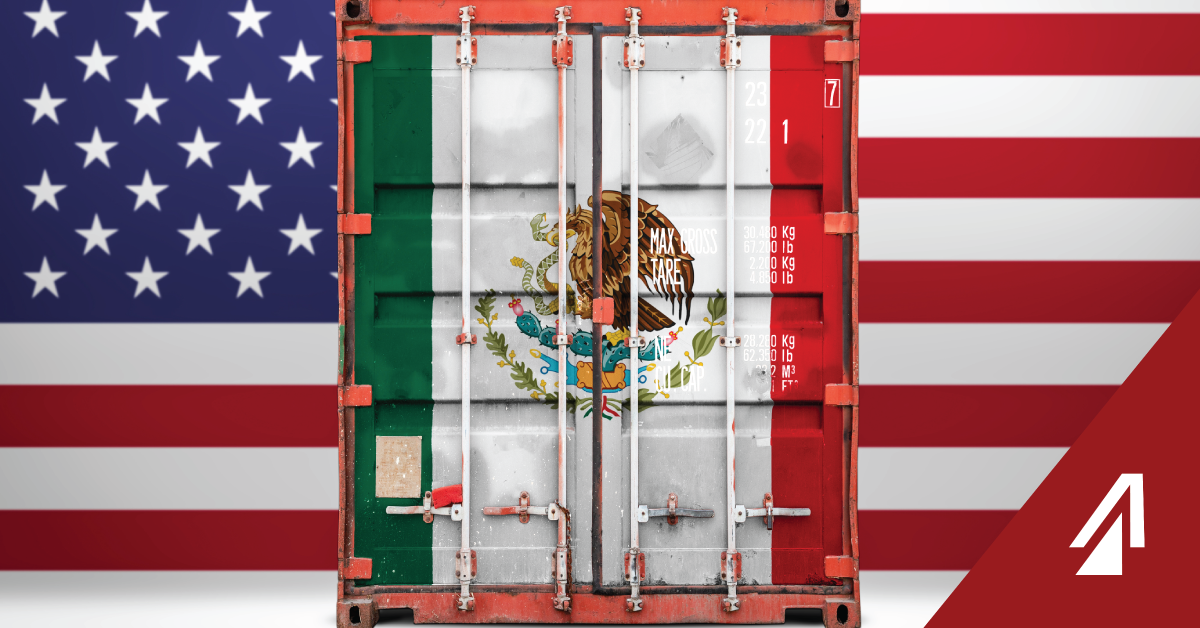
Navigate the Complexities of Cross-Border Transportation
The U.S.-Mexico border is one of the busiest, most vital trade corridors in North America. Transporting goods across the border involves in-depth understanding of the requirements and potential risks. Learn more about common delays and the Top 5 ways to mitigate border delays.

Mitigating Tariffs While Facing Potential Tariffs in the US
While President Trump has confirmed the potential for significant tariffs, no specific tariffs have been imposed. The focus is on assessing trade practices and deficits. As a manufacturer, it is important to understand what contributes to tariffs and how to mitigate tariffs. Learn more.