
Industry Insights.

Insights, updates, and expert guidance to help you navigate a complex logistics world.
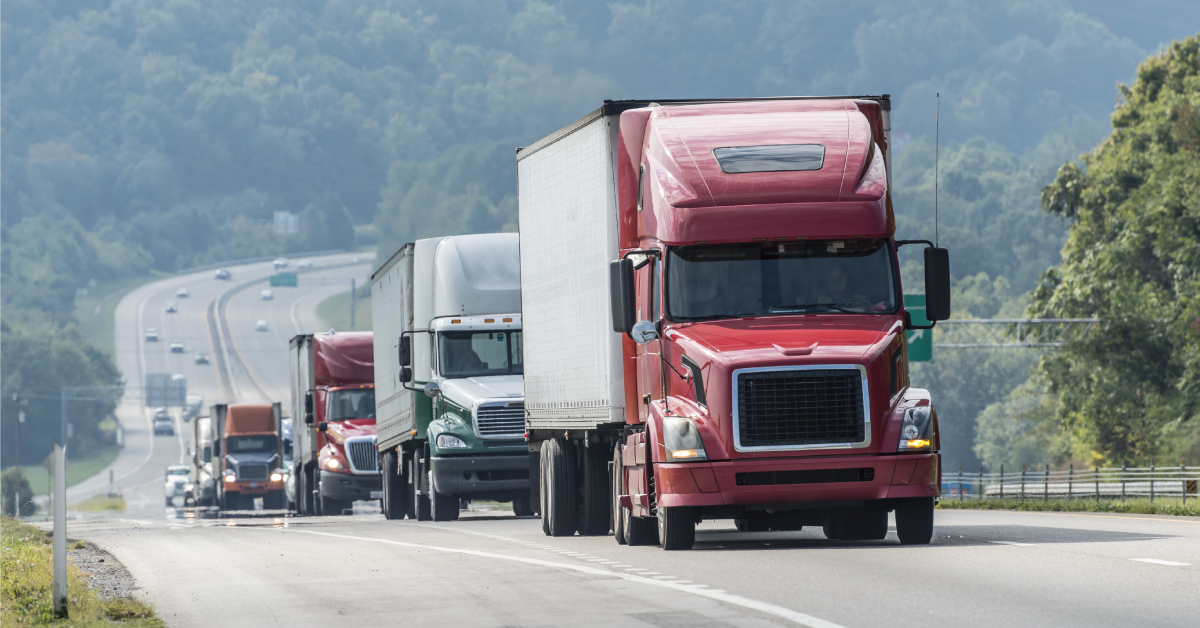
Transportation: Preparing for Upcoming Changes to NMFC Classifications
The NMFTA will be rolling out the first phase of changes to the NMFC system this July. The changes will move toward a density-based model focused on streamlining freight classifications, enhancing the user experience, and providing a clearer understanding of how freight should be classified.
Cross-border: Managing Relationships to Streamline Customs Clearance
Common mistakes in cross-border transportation can cause delays in shipping and lead to added costs, penalties, or even mandatory audits. Learn tips on building effective relationships with CBP and the benefits of relying on a customs broker to manage the customs clearance process for you.
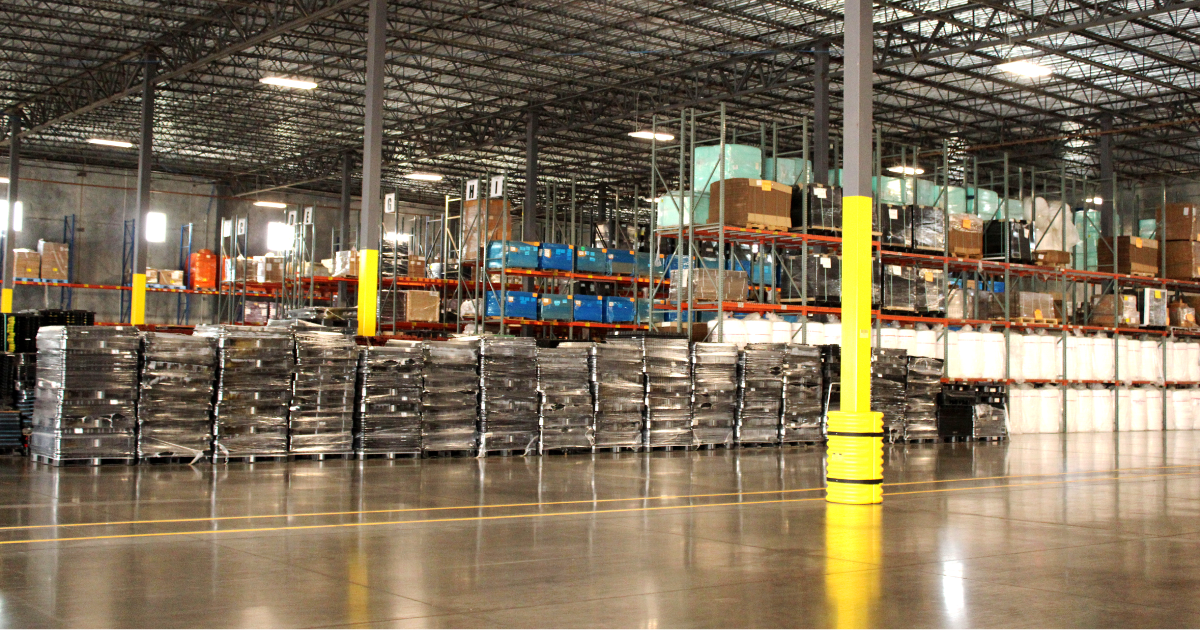
Customs Compliance: The Defined Use of Temporary Imports
If you need to import products for a specific purpose and do not plan to keep them in a country for an extended period, it is likely that you could avoid paying duties and taxes on these goods as Temporary Imports. Learn more about the key characteristics of temporary imports, how these imports are not subject to tariffs, and in which ways the customs procedures are different for temporary imports. Understanding the rules and regulations for temporary imports ensures compliance and may help you avoid unnecessary costs.
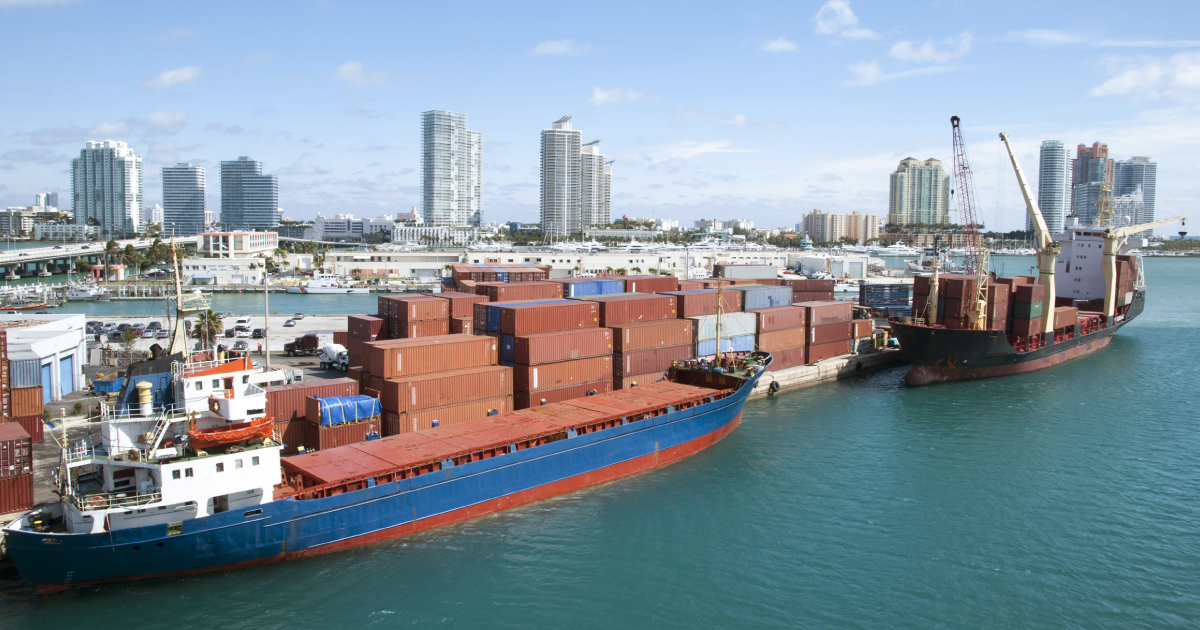
A Basic Overview on Global Freight Forwarding
Global Freight Forwarding is the process of managing and coordinating the transportation of goods across international borders. Although using a Freight Forwarder for this process is not required, many companies rely on the benefits of using one to navigate the complexities of global trading. Learn more about the role and responsibilities of a freight forwarder, from negotiating rates and securing transportation to navigating customs and tracking shipments.
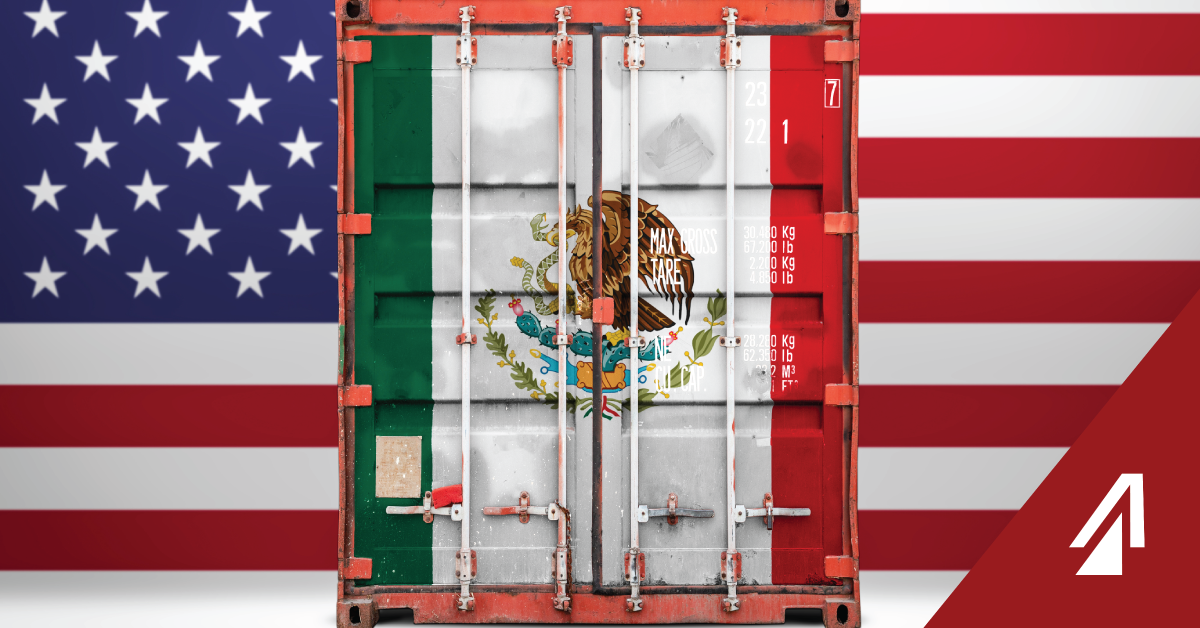
Navigate the Complexities of Cross-Border Transportation
The U.S.-Mexico border is one of the busiest, most vital trade corridors in North America. Transporting goods across the border involves in-depth understanding of the requirements and potential risks. Learn more about common delays and the Top 5 ways to mitigate border delays.
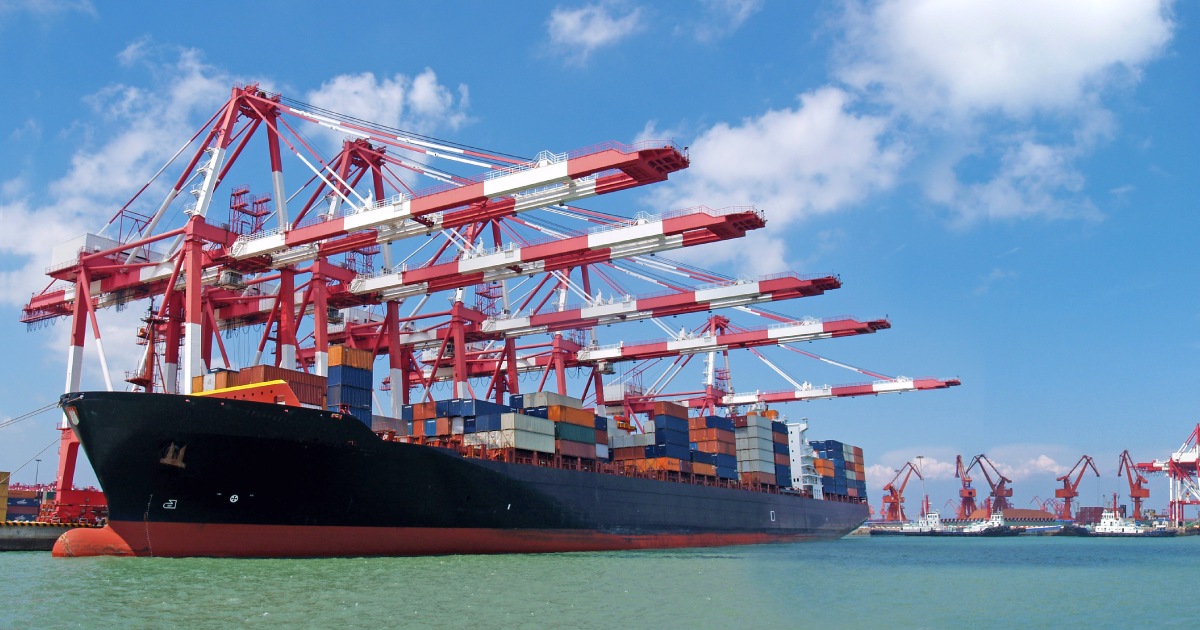
Shakeups in Shipping Alliances Impact International Trade
The top 30 shipping lines account for more than 95% of the TEUs at sea with over 80% being under the top 10 carriers. The market leaders are also involved in shipping lines with each other, focused on the main east-west trades. Those alliances are undergoing significant shakeups that will cause hundreds of vessels to change their rotations and shipping schedules. Learn more about changes to the shipping alliances that are reshaping the international trade market.
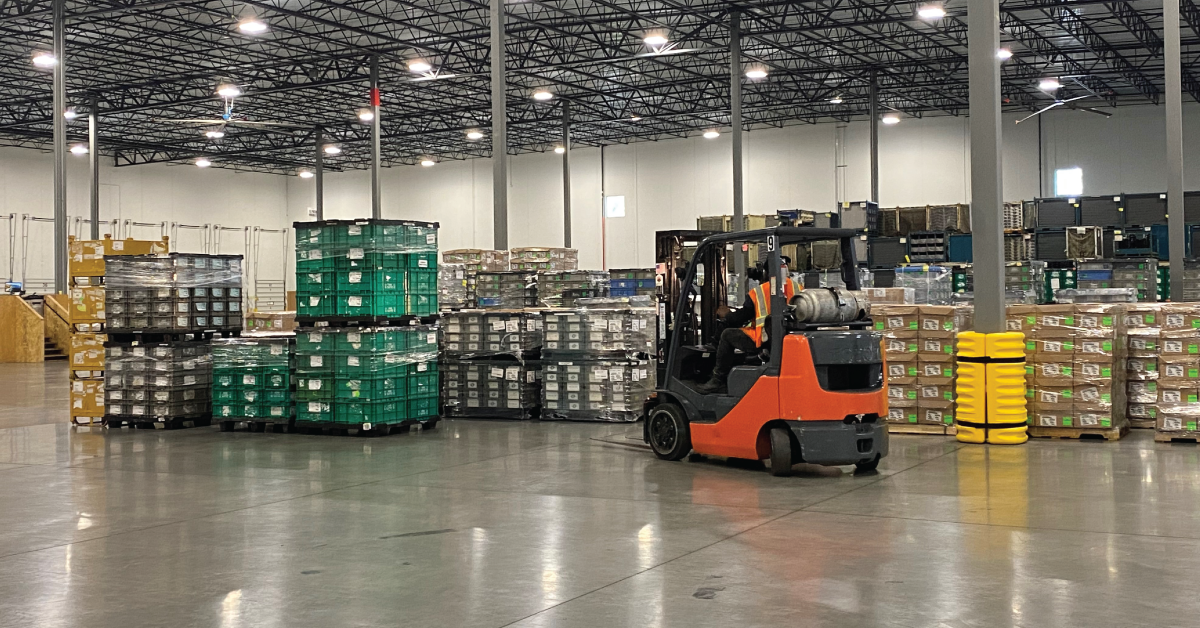
Vendor Managed Inventory in the Logistics Environment
VMI, centered on data-sharing, is a supply chain management strategy that engages a logistics provider in the management of a customer's products at a specific location. This partnership and collaboration integrates inventory management with other logistics and supply chain services. Learn more about the steps involved in VMI.
Mitigating Risk: Planning for VUCEM System Outage
The Mexico Tax Administration Service announced a scheduled maintenance outage to the VUCEM system beginning on February 8th through February 15th. During the outage, all automated documentation submissions and reporting will be unavailable, and clearance documents must be submitted manually to ANAM. Learn more about what this means for you and how to mitigate potential delays.
A Closer Look: Will Trump’s 25% Tariffs Be Implemented?
Two days after the new Trump administration announced steep tariffs on Canada, Mexico, and China, Canada and Mexico announced plans of retaliatory tariffs. The leaders met today in negotiations, just hours ahead of the 12:01am deadline and came to agreements that will delay any tariffs on Canada and Mexico for at least 30 days.
Trade Policy: Key Strategies for Being Proactive in the Face of Potential Tariffs
As we face threats of U.S. tariffs, importers should review their import data with their U.S. Customs brokers to get a clear picture of the financial impact that increases could have on their business. Learn about the Top Five Strategies to be prepared for tariffs. Review your credit limits and payment terms, and assess your company's risk for bond insufficiency.

Faster Delivery and Shipping Solutions for Unplanned Freight
When facing unexpected supply chain disruptions or the need to avoid potential delays, time-critical logistics and expedites are not the only options available. Both sub-categories of handling unplanned freight are important and have a place, but when you need a more tailored solution, on-demand logistics may be a better option. Learn more about the differences between time-critical logistics, expedites, and on-demand logistics and the benefits of a more solution-based approach.

Mitigating Tariffs While Facing Potential Tariffs in the US
While President Trump has confirmed the potential for significant tariffs, no specific tariffs have been imposed. The focus is on assessing trade practices and deficits. As a manufacturer, it is important to understand what contributes to tariffs and how to mitigate tariffs. Learn more.
Market Outlook: Leading Trends Impacting Global Freight Forwarding
As a result of significant changes in the global freight forwarding industry, we are seeing shifts in consumer behavior, technological advancements, an increase in sustainability efforts, and a wide variety of global events that are impacting the market. Staying informed about these trends will be crucial for businesses and stakeholders in the global forwarding industry to remain competitive and responsive to evolving market demands.

Cross-border Transportation: Manufacturers Take Advantage of Production in Mexico
Manufacturers continue to leverage Mexico's growing production capabilities contributing to the nearshoring trend and need for cross-border services between the U.S. and Mexico. In this blog we explore the top benefits for manufacturers when considering production in Mexico.

2024 Logistics and Trade Recap: What to Expect in 2025
A dynamic blend of geopolitical tensions, technological advancements, and evolving economic policies have shaped the logistics and trade industries in 2024. These factors disrupted established trade patterns and paved the way for transformative changes that will influence 2025 and beyond. Here’s a look back at the key events of 2024 and what businesses should prepare for in the year ahead.
Ocean Freight: Pricing Pressures and Common Surcharges
Supply chain challenges that have impacted the sea freight market are expected to continue in the new year along with increased rates compared to this time last year. Pricing pressures are due to a variety of factors, including capacity constraints, regulatory changes, geopolitical tensions, shifting patterns, and strong e-commerce demand. Learn more about what impacts the base ocean freights and common fees and surcharges to expect when shipping cargo.
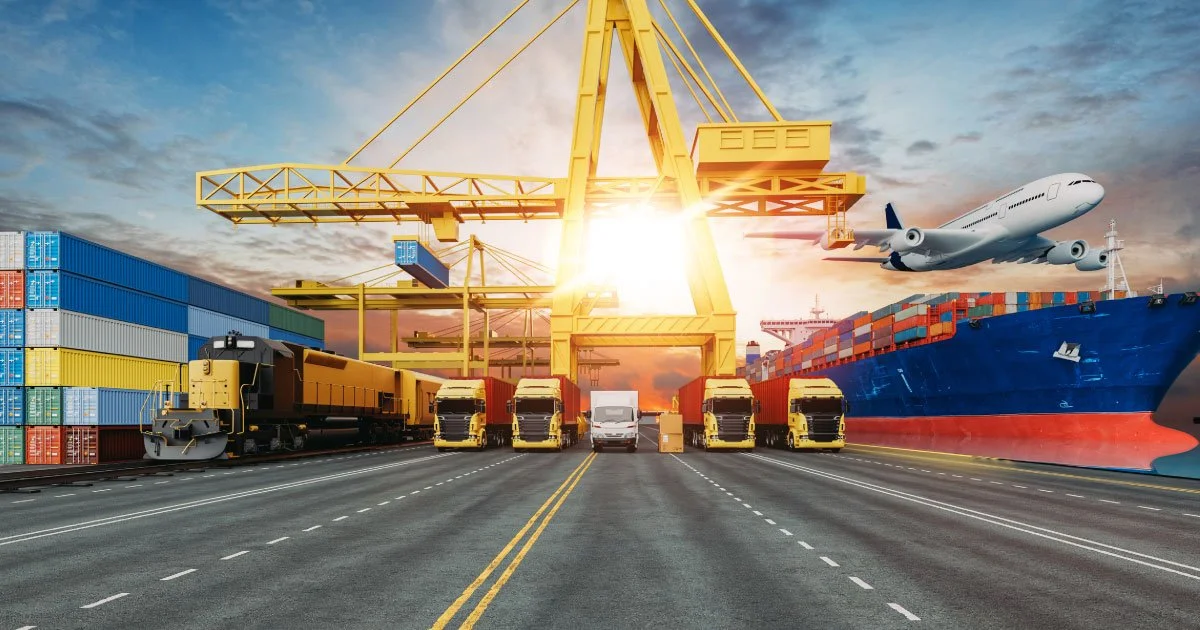
Supply Chain Complexity: Integrating Modes for Greater Effectiveness
An integrated transportation solution refers to a logistics model that combines different modes of transportation to optimize the movement of goods across the supply chain. This approach leverages the strengths of each transport mode to enhance efficiency, speed, and cost-effectiveness. Let's dive into how different modes meet varying needs, the key components in choosing transportation modes, and when it is best to consider an integrated solution.
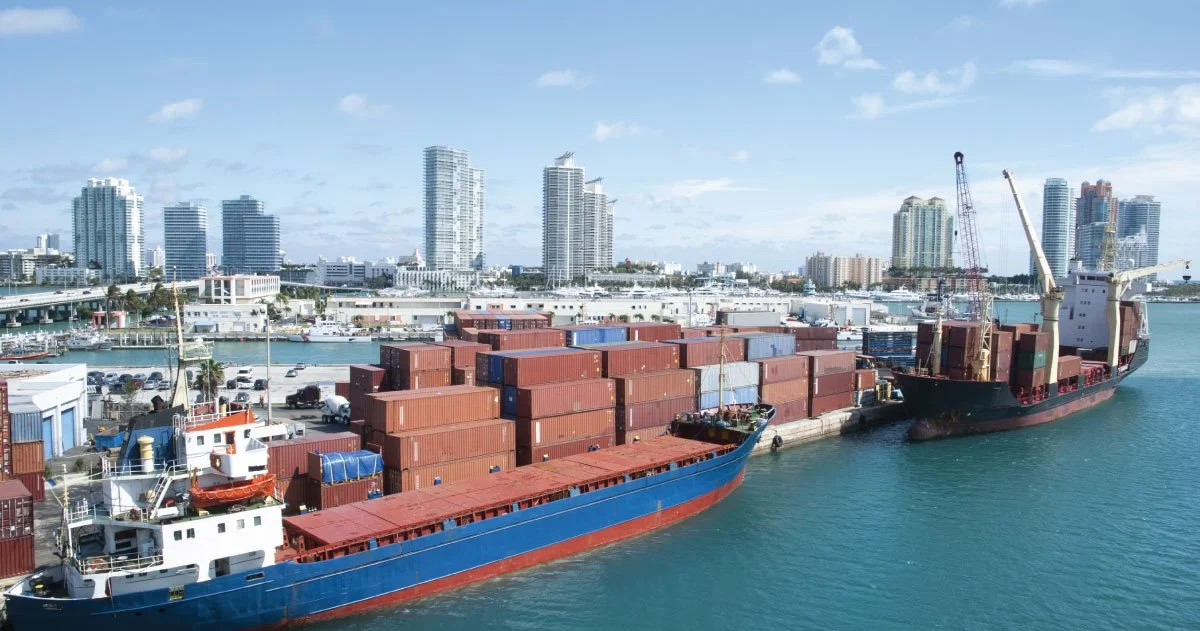
Strengthening U.S. Ports for Sustainable Growth: A $3 Billion Infrastructure Investment
As part of the Inflation Reduction Act, the Biden administration committed $3 billion to revolutionize U.S. port infrastructure, focusing on sustainability, job creation, and modernizing logistics. The expected advancements in both economic and environmental outcomes will make a pivotal shift in how ports operate, reshaping port facilities, benefitting communities, and impacting the logistics and trade sectors.
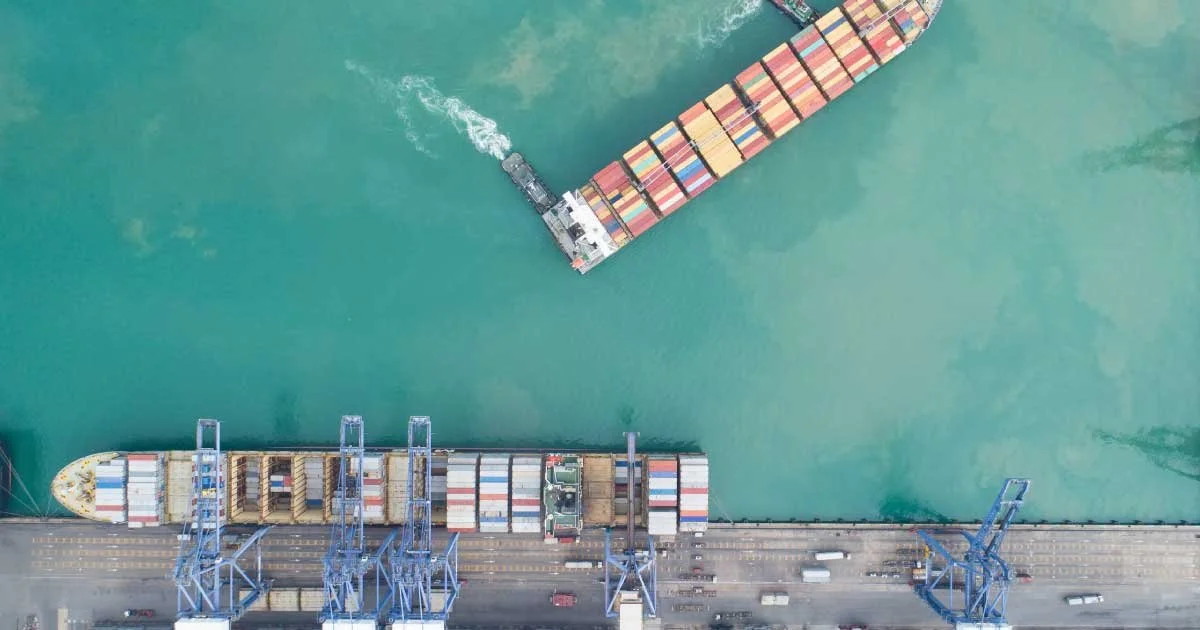
Global Ports Update: Navigating Post-Strike Recoveries and Capacity Challenges
The logistics industry is no stranger to disruptions and is moving towards recovery from the ILA strike and collapse of Key Bridge to the resolution of the Port of Montreal strike and the lingering impacts of these events on capacity, rates, and demand. For shippers, freight forwarders, and logistics providers, staying ahead of these developments is essential to planning for the near future.
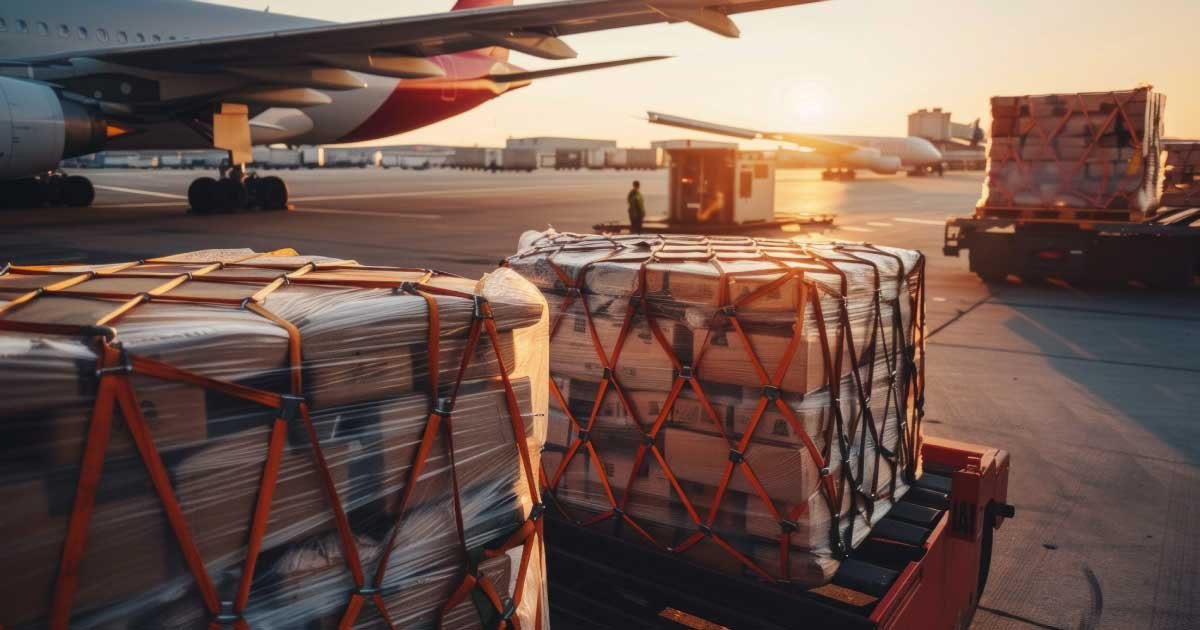
Planning Your Air Cargo Needs and Fluctuating Rates
As global trade between Europe and the USA thrives, air cargo is crucial in bridging the transatlantic trade route. We explore strategies and best practices for air cargo from Europe to the USA that help businesses create efficient, cost-effective, and timely supply chains, which requires careful planning and intention.