
Industry Insights

Insights, updates, and expert guidance to help you navigate a complex logistics world.

Global vs. Regional Sourcing: Striking the Right Balance
Manufacturers are no longer choosing between global or regional sourcing—they’re finding ways to do both. Learn how blended strategies like dual sourcing and nearshoring are helping automotive leaders achieve cost efficiency and resilience.

Ocean Shipping: The Trends and How Ports are Reshaping the Game
Global port investments in deeper berths, automation, rail integration, and greener infrastructure are reshaping ocean shipping by improving reliability, cutting costs, and opening new routing options. For shippers, these changes mean more resilient supply chains, greater sustainability, and the chance to treat ports as strategic nodes rather than just transfer points.
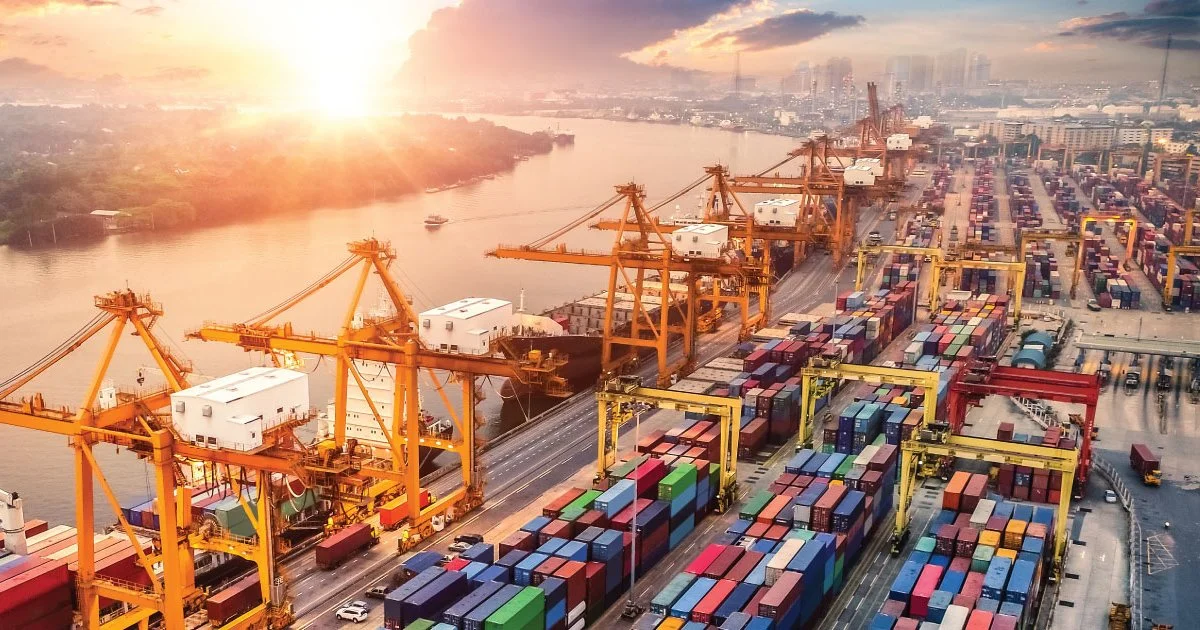
Decoding the East–West Freight Market: What Importers Need to Know
The East–West freight market is entering 2025 with shifting dynamics, from Trans-Pacific volatility to changing Trans-Atlantic flows. Importers need to balance contract and spot strategies, monitor port and canal disruptions, and lean on forwarder insights to keep supply chains resilient and cost-competitive.
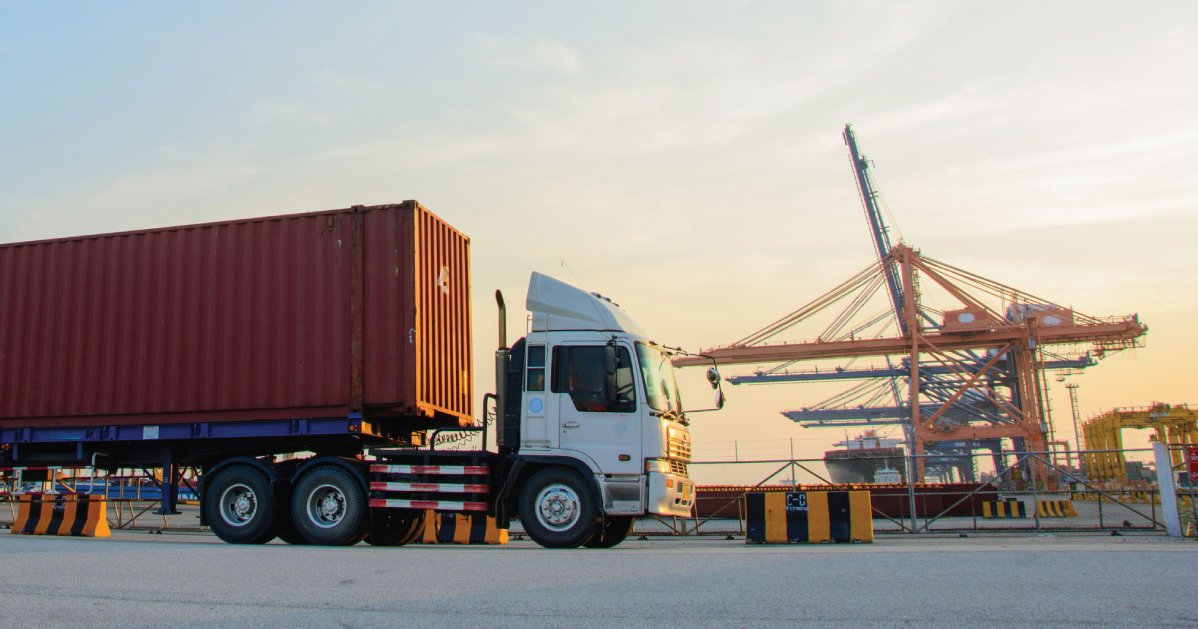
2025 Mid-Year Freight Market Recap: What's Ahead for Truckload and Containerized Shipping
Stay ahead of shifting market dynamics with our 2025 Mid-Year Freight Market Recap—covering key trends in truckload and containerized shipping, from rate volatility and capacity shifts to the impact of tariffs and infrastructure investments. Discover what shippers and carriers need to know for the second half of the year.
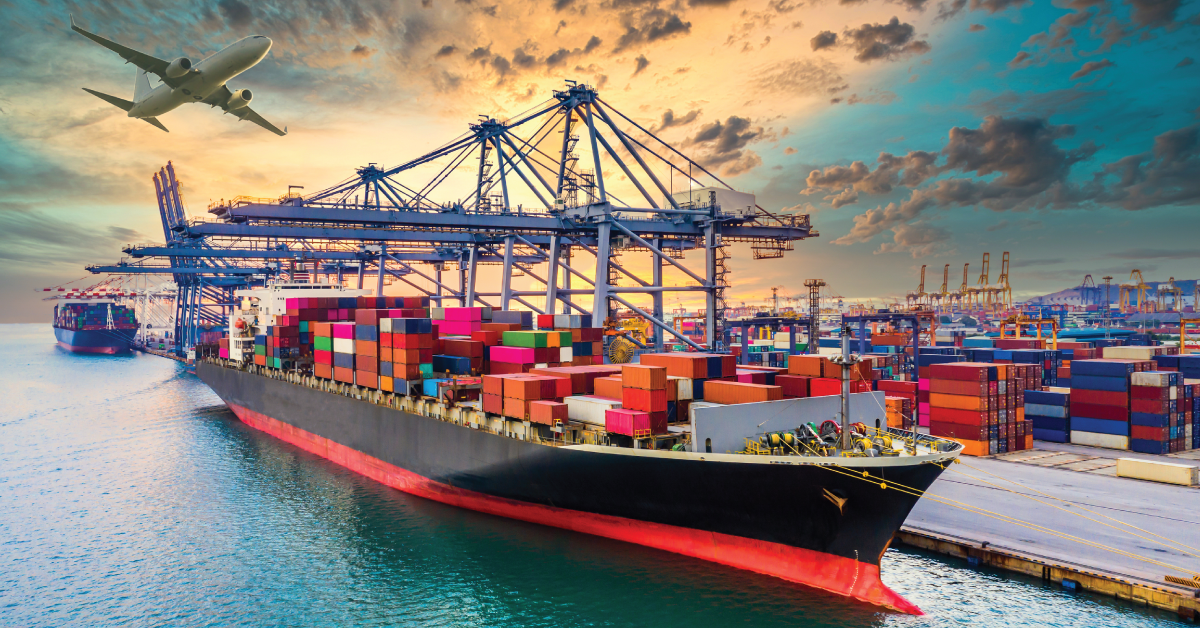
Freight Forwarding: Precise Timing When Coordinating Global Inbound Flows in Mexico
With Mexico’s strategic role in manufacturing, suppliers and logistics providers need to take measures to understand the complexities involved with inbound flows, from long lead times and cross-border coordination to multimodal transportation and tight production schedules. Let’s explore the specific challenges of coordinating inbound flows from Asia and Europe to Mexico, why these challenges matter, and the best practices for overcoming them.
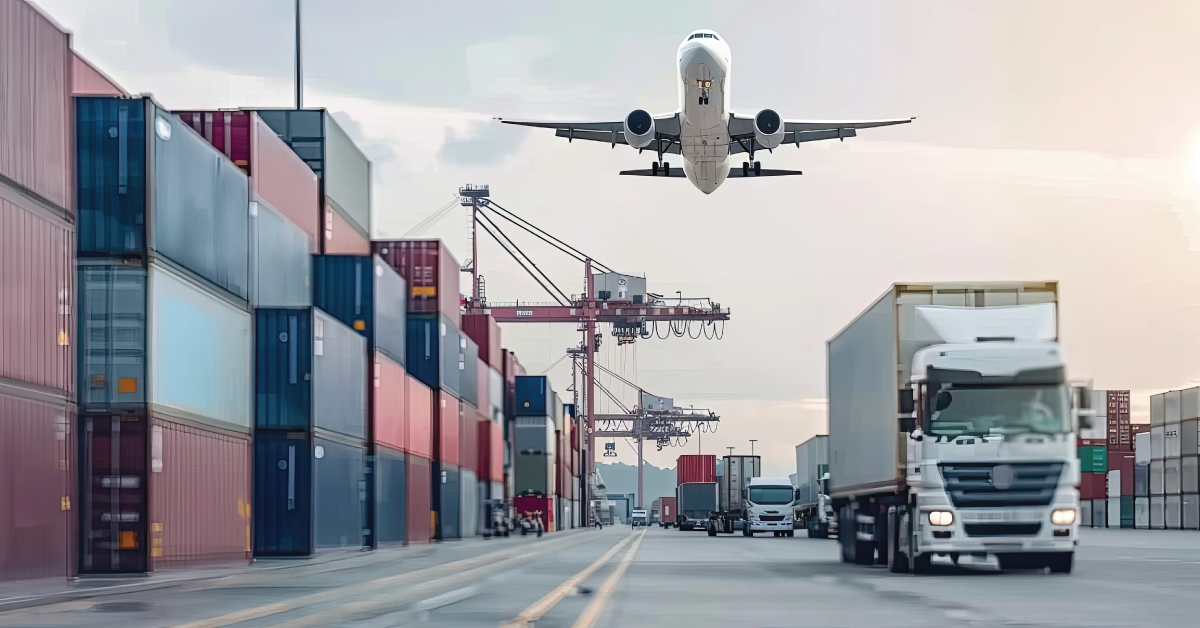
The Benefit of Integrating International and Domestic Logistics
Supply chain operations are a strategic advantage in today's competitive market. Manufacturers must efficiently transport materials and products while meeting production schedules and customer expectations. Choosing the right logistics partner, especially one that offers both domestic and international services, is crucial for enhancing efficiency, reducing costs, and achieving business goals.

Freight Consolidation: A Smart Strategy for Manufacturers in Global Supply Chains
One of the most effective strategies for managing international and domestic logistics in the industrial sector is freight consolidation. This strategy involves combining multiple smaller shipments into a single, more cost-effective load. For inbound-to-manufacturing (I2M), particularly supply chains that cross international borders, freight consolidation can offer greater efficiency, reliability, and visibility. Learn more about the impact and benefits of Freight Consolidation.
The Pros and Cons of Using a U.S.-Based Freight Forwarder
Depending on your business needs, partnering with a U.S.-based freight forwarder may be the best option when focused on the North American market. U.S.-based freight forwarders offer a range of benefits, from customs and regulatory expertise to efficient North American coordination. Learn more about the role of a freight forwarder and the pros and cons of using a U.S.-Based Freight Forwarder.
Global Forwarding: Key Drivers Impacting Trade Lanes and Capacity
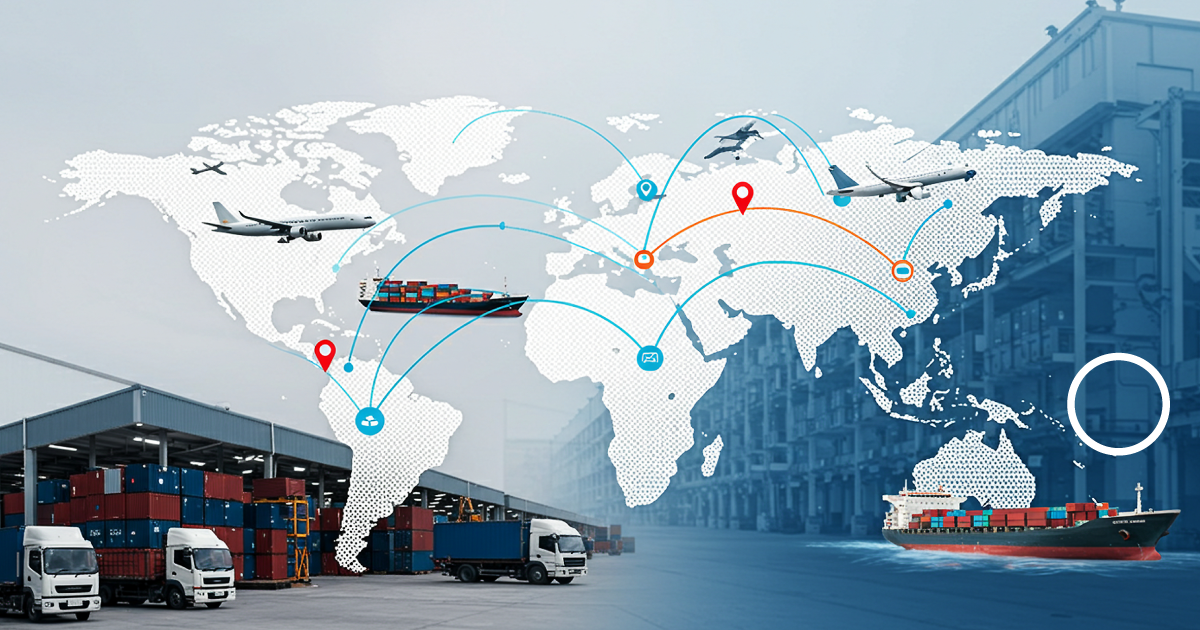
Many factors are driving shifts in trade lanes and capacity, impacting freight forwarding and the global supply chain. This is further influenced by companies seeking to develop robust resilience strategies, including diversifying their suppliers to mitigate risks and optimize operations. There is also a noticeable shift toward enhanced flexibility that allows companies to better respond to market demand changes and enhance their logistics processes. Learn more about the key drivers behind these market shifts.
Shipping: Industry Trends Shaping Contract Strategies
Annual ocean freight carrier contracts are often renegotiated in April ahead of the peak summer season. Going into negotiations, many shippers are looking for flexibility in their contracts to help navigate the ongoing volatility of the market and fluctuations in costs. Learn more about emerging trends in shipping contracts as well as ongoing industry trends that shape contract strategies in today's market.

Diving Into the Differences between FCL, LCL, and BCN
In freight forwarding, shipping methods are defined by how space is used in a shipping container and whether a shipper is filling a container or sharing the space with other shipments. The main categories fall under FCL (full container load), LCL (less container load), and BCN (buyers' consolidation network). LCL and BCN are closely related where cargo is shared with BCN being shared among suppliers for the same customer. Let's explore the differences and choosing one method over another.
Customs Compliance: The Defined Use of Temporary Imports
If you need to import products for a specific purpose and do not plan to keep them in a country for an extended period, it is likely that you could avoid paying duties and taxes on these goods as Temporary Imports. Learn more about the key characteristics of temporary imports, how these imports are not subject to tariffs, and in which ways the customs procedures are different for temporary imports. Understanding the rules and regulations for temporary imports ensures compliance and may help you avoid unnecessary costs.
A Basic Overview on Global Freight Forwarding
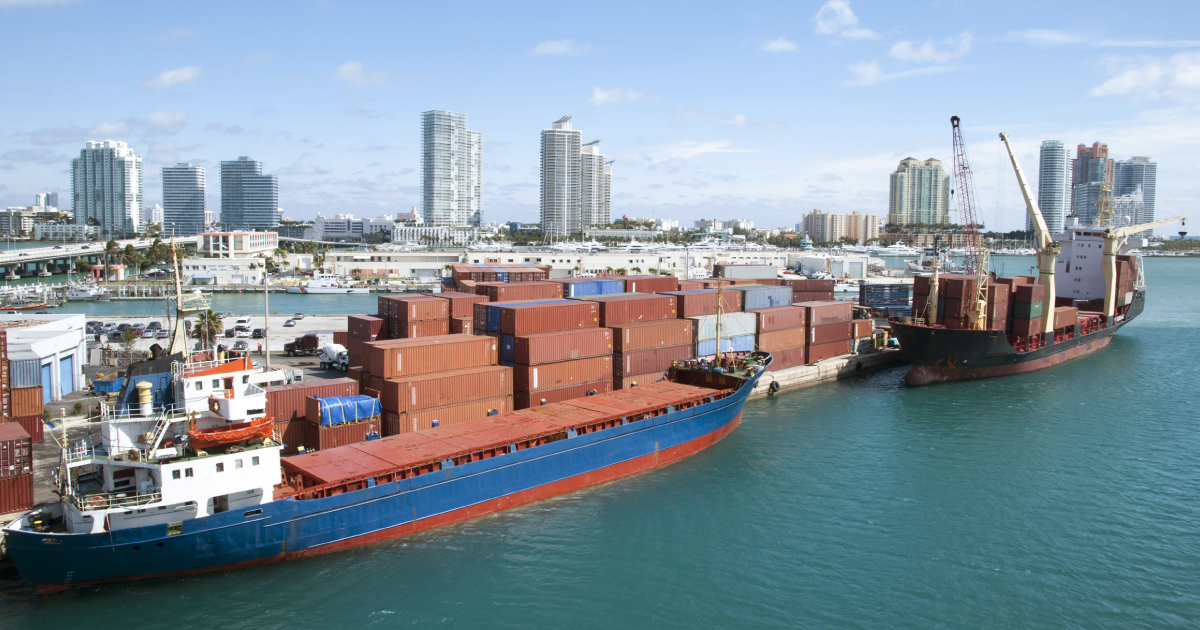
Global Freight Forwarding is the process of managing and coordinating the transportation of goods across international borders. Although using a Freight Forwarder for this process is not required, many companies rely on the benefits of using one to navigate the complexities of global trading. Learn more about the role and responsibilities of a freight forwarder, from negotiating rates and securing transportation to navigating customs and tracking shipments.
Shakeups in Shipping Alliances Impact International Trade
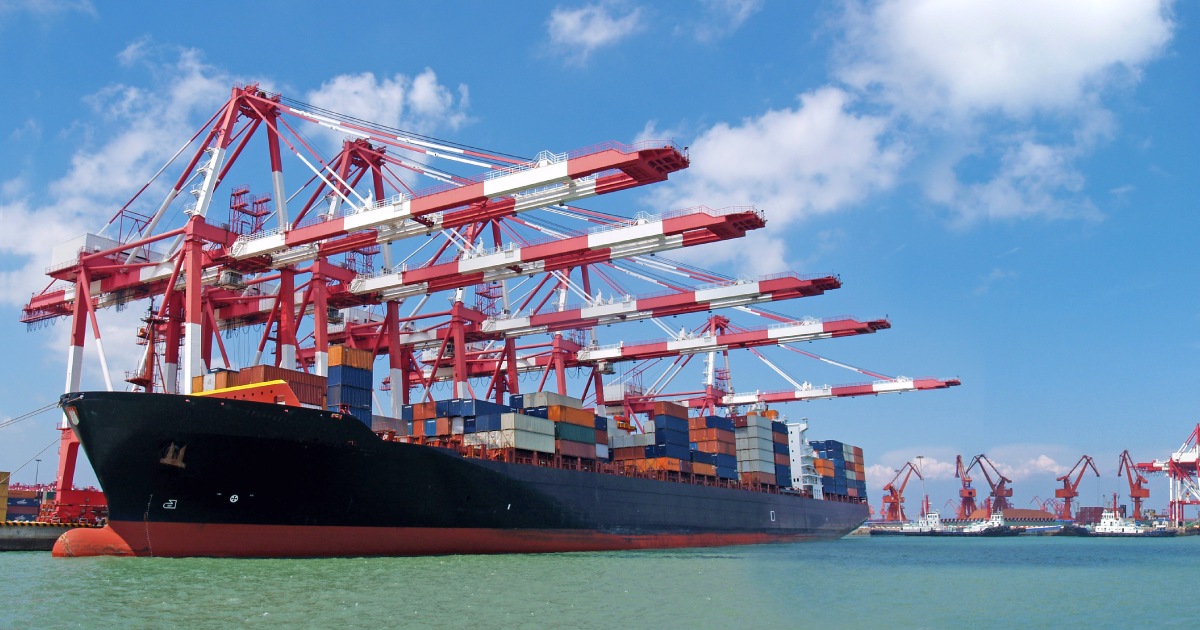
The top 30 shipping lines account for more than 95% of the TEUs at sea with over 80% being under the top 10 carriers. The market leaders are also involved in shipping lines with each other, focused on the main east-west trades. Those alliances are undergoing significant shakeups that will cause hundreds of vessels to change their rotations and shipping schedules. Learn more about changes to the shipping alliances that are reshaping the international trade market.

Faster Delivery and Shipping Solutions for Unplanned Freight
When facing unexpected supply chain disruptions or the need to avoid potential delays, time-critical logistics and expedites are not the only options available. Both sub-categories of handling unplanned freight are important and have a place, but when you need a more tailored solution, on-demand logistics may be a better option. Learn more about the differences between time-critical logistics, expedites, and on-demand logistics and the benefits of a more solution-based approach.

Market Outlook: Leading Trends Impacting Global Freight Forwarding
As a result of significant changes in the global freight forwarding industry, we are seeing shifts in consumer behavior, technological advancements, an increase in sustainability efforts, and a wide variety of global events that are impacting the market. Staying informed about these trends will be crucial for businesses and stakeholders in the global forwarding industry to remain competitive and responsive to evolving market demands.

2024 Logistics and Trade Recap: What to Expect in 2025
A dynamic blend of geopolitical tensions, technological advancements, and evolving economic policies have shaped the logistics and trade industries in 2024. These factors disrupted established trade patterns and paved the way for transformative changes that will influence 2025 and beyond. Here’s a look back at the key events of 2024 and what businesses should prepare for in the year ahead.
Ocean Freight: Pricing Pressures and Common Surcharges
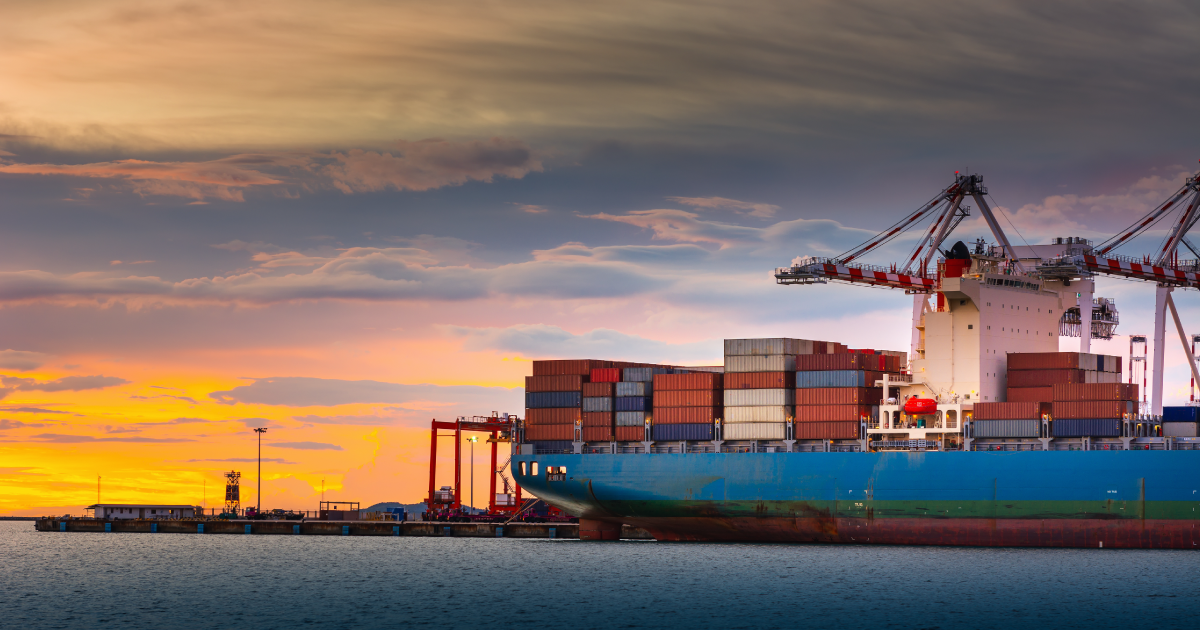
Supply chain challenges that have impacted the sea freight market are expected to continue in the new year along with increased rates compared to this time last year. Pricing pressures are due to a variety of factors, including capacity constraints, regulatory changes, geopolitical tensions, shifting patterns, and strong e-commerce demand. Learn more about what impacts the base ocean freights and common fees and surcharges to expect when shipping cargo.
Supply Chain Complexity: Integrating Modes for Greater Effectiveness
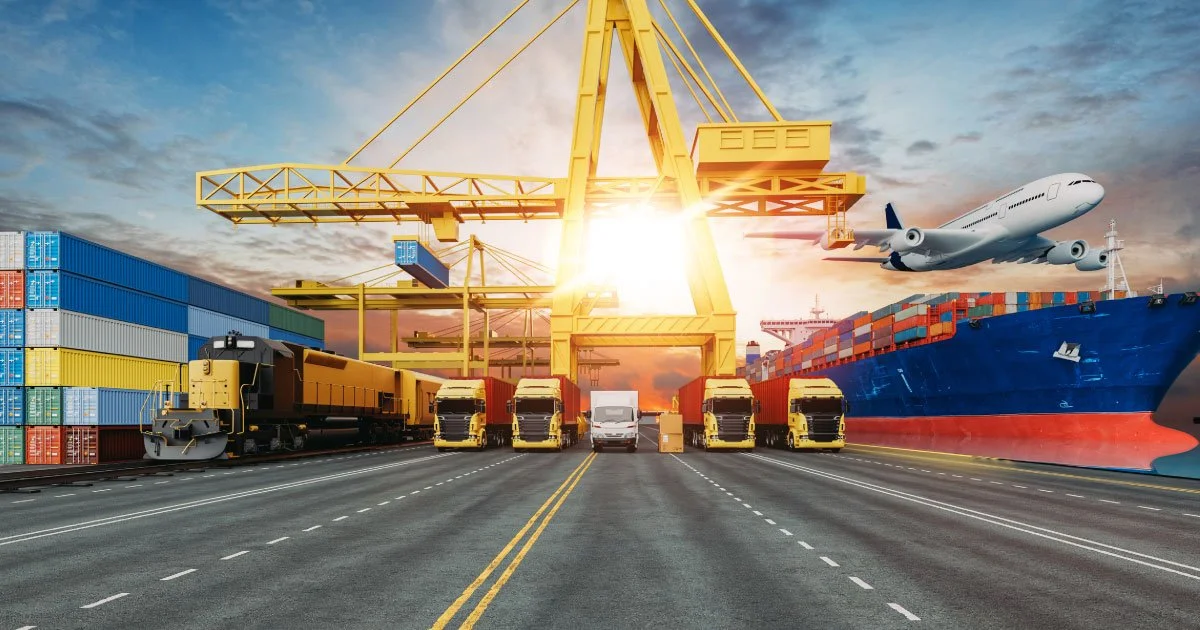
An integrated transportation solution refers to a logistics model that combines different modes of transportation to optimize the movement of goods across the supply chain. This approach leverages the strengths of each transport mode to enhance efficiency, speed, and cost-effectiveness. Let's dive into how different modes meet varying needs, the key components in choosing transportation modes, and when it is best to consider an integrated solution.
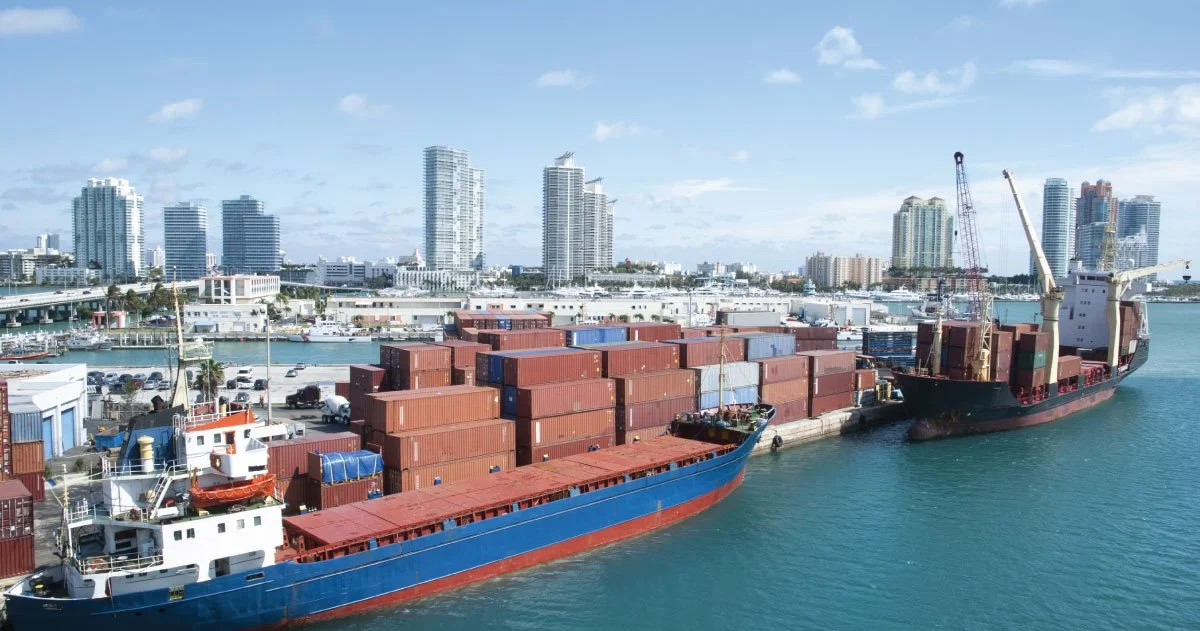
Strengthening U.S. Ports for Sustainable Growth: A $3 Billion Infrastructure Investment
As part of the Inflation Reduction Act, the Biden administration committed $3 billion to revolutionize U.S. port infrastructure, focusing on sustainability, job creation, and modernizing logistics. The expected advancements in both economic and environmental outcomes will make a pivotal shift in how ports operate, reshaping port facilities, benefitting communities, and impacting the logistics and trade sectors.